IN CONVERSATION: YALDA BIDSHAHRI WITH GISOU GOLSHANI
Yalda Bidshahri: I’d like to begin with the title of this commissioned piece, ‘in embers’ (2026). An ember isn’t quite fire and isn’t quite extinguished. It carries something that remains. What state or feeling does an ember hold for you with this work?
Gisou Golshani: ‘in embers’ is like the glowing light that holds heat and carries remnants. Of that which’s been burnt, taken away, still burning. Not being quite sure when it will go off. And what to expect when there’s just ashes remaining. At that stage a fire could ignite again, if given enough air. It carries uncertainty with where it’s at and what's to come.
YB: In our conversations, you described the first part of the sound piece in relation to the absurdity of time continuing almost unbothered by the enormous personal and collective grief it carries. I’m interested in that tension or contradiction. How did you approach holding those seemingly opposing states together through sound?
GG: There’s a playful bowed modeling synth in the presence of chopped and echoed vocals, coming in later on. I was thinking of how grief comes in waves, and the weight of unprocessed grief with time passing. Once I did the sound design, I experimented with the notes intuitively, listened back and kept everything as it was to maintain the intuitive spirit.
YB: In the latter part of the work, we encounter the crackling sounds of fire and the voice of a care taker of this forest in Iran lamenting a tree burning from within, presumably set on fire by visitors. Can you tell me about encountering that recording online and what compelled you to bring this particular moment into the work? What stayed with you about witnessing this act of grieving a more-than-human life?
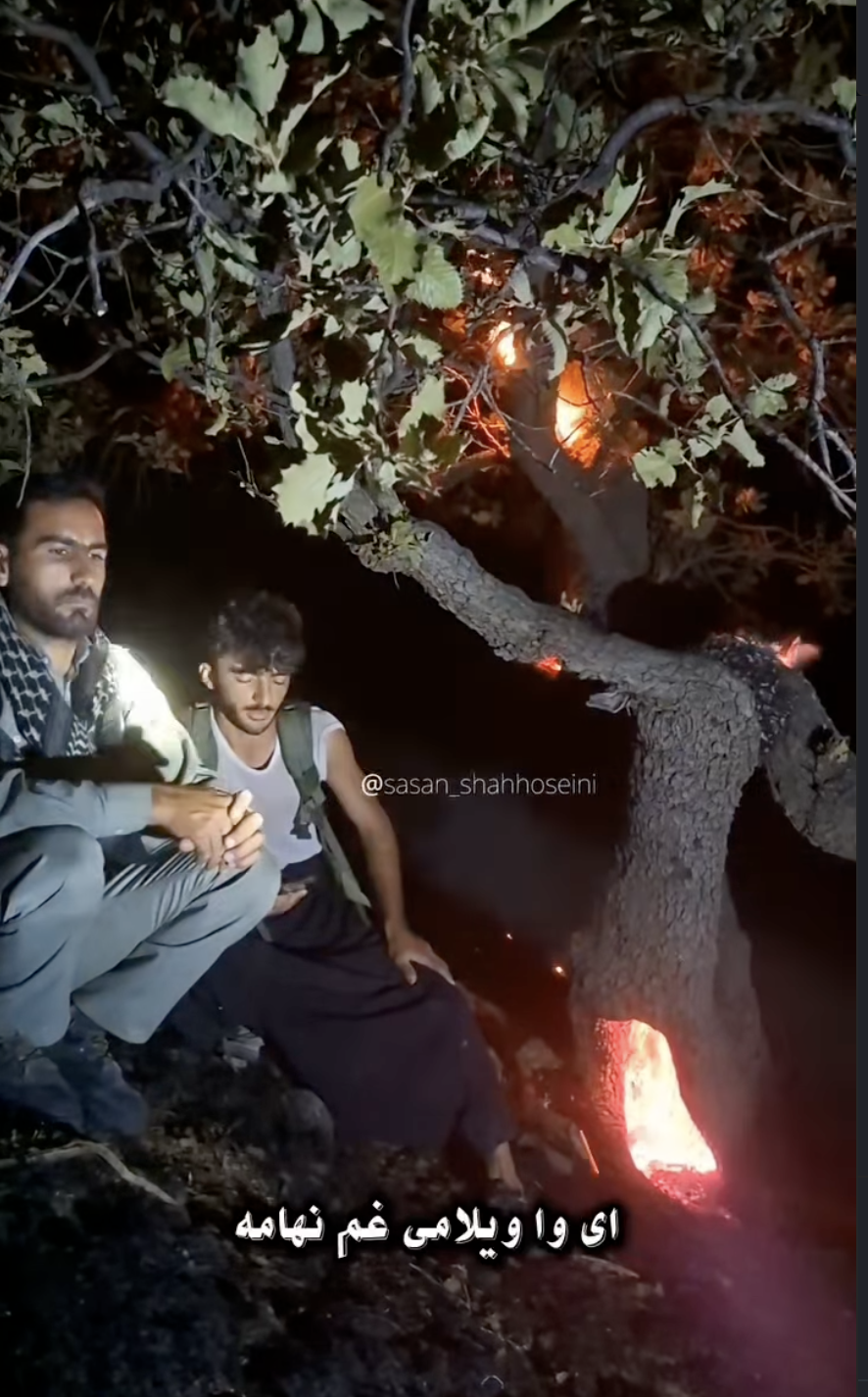
GG: I saw this video on instagram, of a forest conservationist singing a مرثیه (lamentation song) for a burning tree he came across, it was too late for him to save it. I sampled his voice because of the deep, piercing سوز in it. Folk music has carried our people’s and land’s hopes, joys and griefs for generations, and I wanted to pay homage to that. The oak has historically been a sacred tree in Iran and symbolises perseverance. Seeing it burning from inside while still green, was a tragic symbol of our time for me. And I saw myself in it really. Burning with despair, rage and grief… واویلا
YB: Throughout this project with ROSVÂ, I’ve often turned to nature as a source of reassurance. The promise that spring returns, that gardens bloom again, that life persists. Your work makes me wonder what we do with everything that has burned on the way there. It reminds me that nature isn’t infinitely regenerative and untouched by violence. Sometimes something dies and does not come back. Does imagining renewal require us to carry grief with us rather than leave it behind?
GG: Ah, I love this question! Yes, I believe acknowledging and tending to the shared grief of the wars, genocides and extractive technologies destroying parts of our environment, can illuminate paths towards reparation.
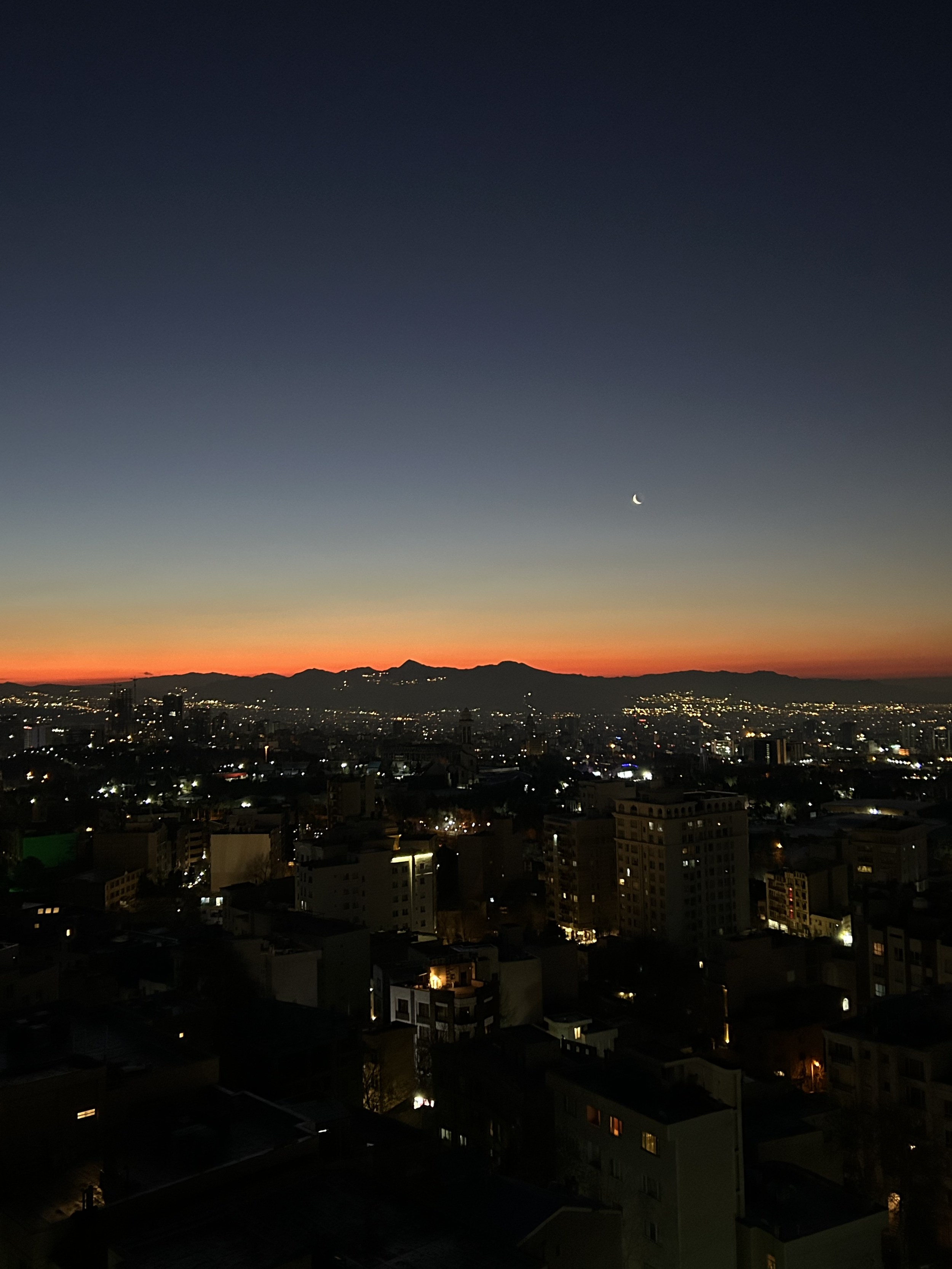
I am amazed by how nature heals and cleanses itself though. Seeing that thick black smoke over Tehran, the fires spreading through the waterways in the streets, and the black rain after the US and Israel bombed the oil depot filled me with terror, thinking it will take decades for this amount of toxins to clear out. Being in Tehran, I’m surprised at how this was the same sky, looking so clear now. I am mindful however that we will be dealing with the impact of war on our health and environment for generations, not only in Iran, but in the wider region and especially in Palestine, which we are already witnessing.
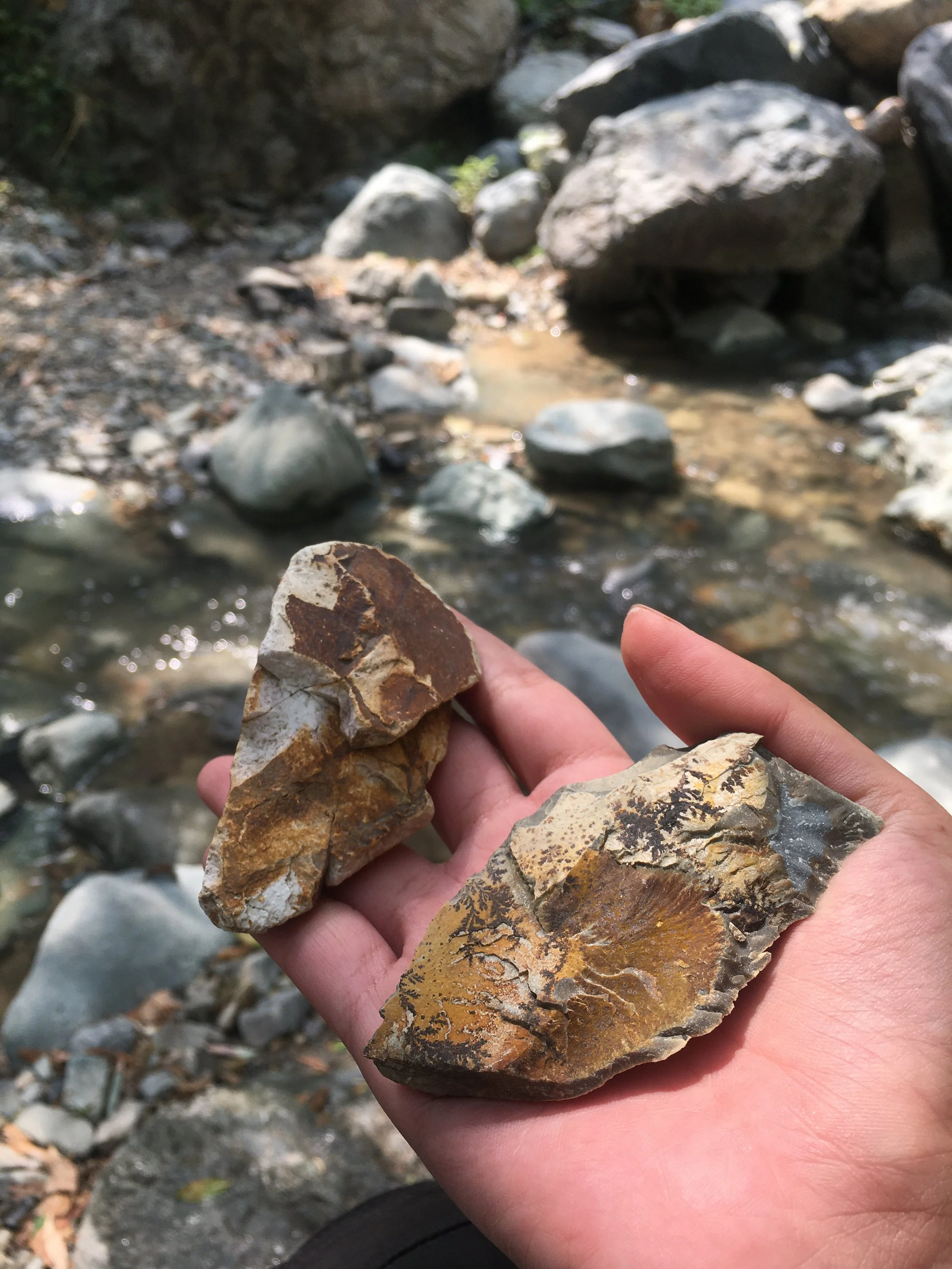
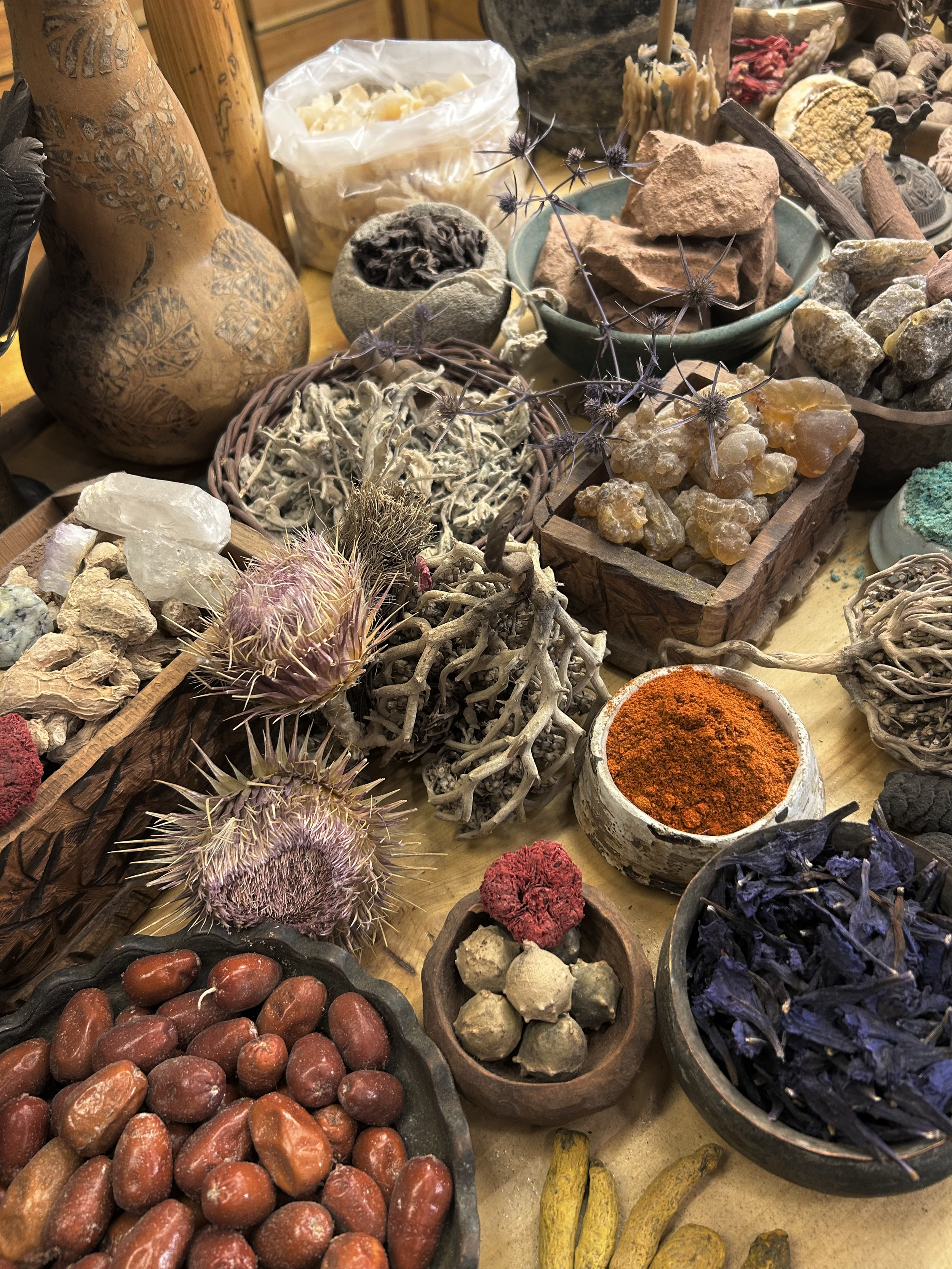
YB: You’ve spoken to me about grief as cyclical, comparing its movement to lamentation or folk songs. You have mentioned how we return again and again to levels of grief we thought we had already moved through. I’ve also been thinking throughout this project about cycles of life, death and rebirth, and the idea that perhaps we are not going in circles, but moving along an upward spiral. What does repetition allow us to do with grief that simply trying to “move on” from it cannot? When grief revisits us, do we encounter it differently each time?
GG: I was coming across a lot of چمری videos after the January uprisings and massacre. Chamari is an ancient grief tradition from the Zagros region with rituals and songs that follow cyclical rhythms and expressive gestures. The cyclicality perhaps allows grievers to stay present with their emotions, and suggests that grief is not something to ‘get over’ and will revisit us in surprising ways.
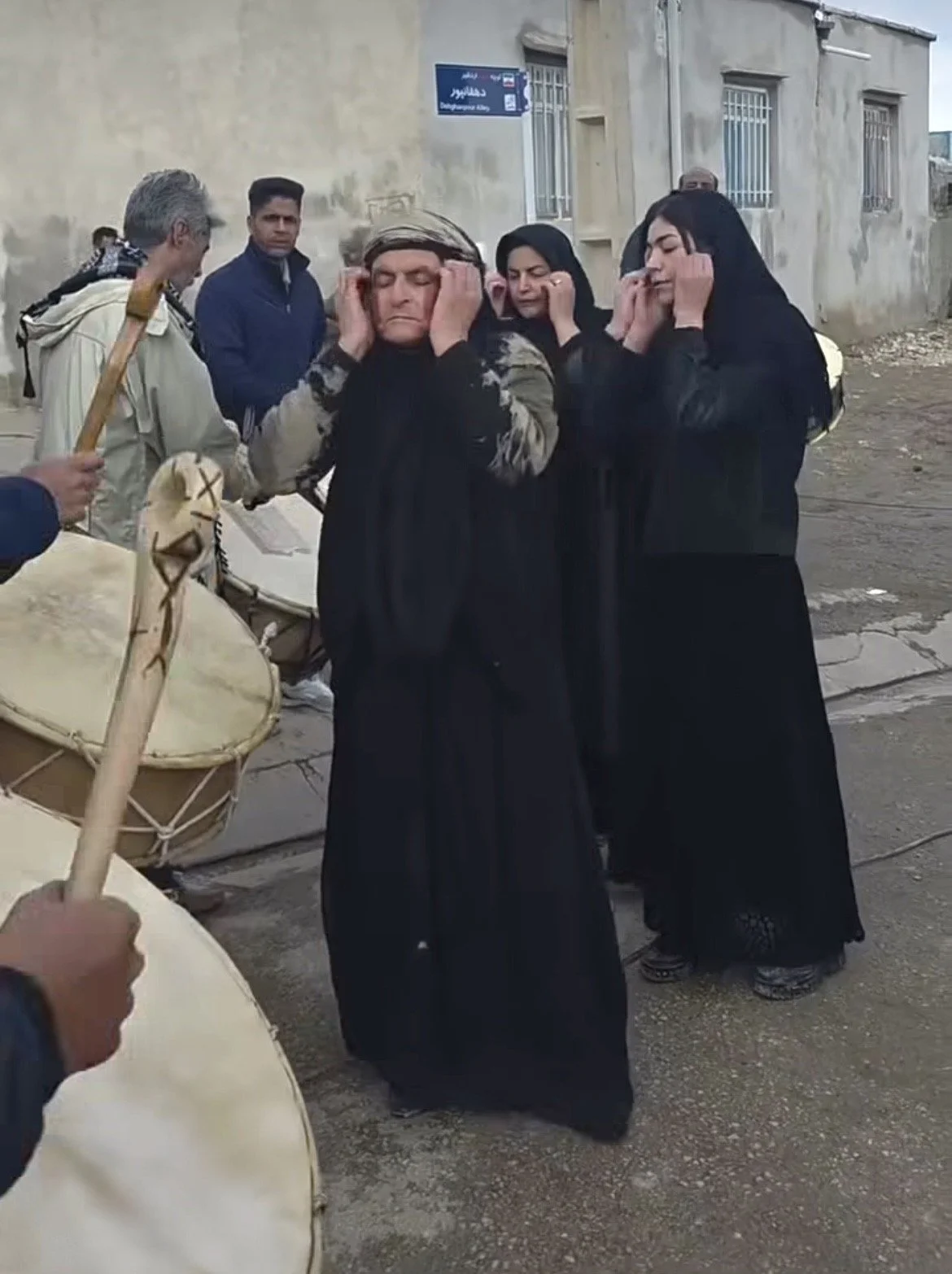
Looking into these rituals has influenced how I build my loops and sonic compositions. Where and how to repeat things, where to disrupt the repetition. Where to leave space for the hidden stuff to leak out.
Grief surprises me each time, whether it pokes at me in the middle of a dance floor or on top of a mountain. Doesn’t it surprise you??
YB: Yeah, it just turns up sometimes. I keep thinking about what remains after something cannot be saved. The tree dies, there is no simplistic rebirth of that tree. Yet something of the encounter persists in the man’s lament, in the recording, in you encountering it, in the composition, and eventually in other people listening to it. Is there something about sound for you that allows grief to keep travelling after its original moment has passed?
GG: Sound and oral histories have told stories, testified against violence, resisted erasure, and become tools for dreaming and communicating throughout history.
I like to imagine how that man learnt the lament song, was it through a family member, or another carer of the forest?
There’s mystery in what is preserved and how it is passed down. It carries the voice of generations that went through the same struggles and emotions. And that is what’s beautiful to me, that people have lamented dying trees and sung rain summoning songs for generations in our region.
Through sampling his voice and bringing it together with the other sonic elements, I try to tell a story of how the grief is felt in the present moment. About what remains after something cannot be saved, maybe its voice. Like Forough said.
YB: One of the questions I’ve carried throughout this project is how we continue to grow towards one another despite forces that seek to isolate, frighten and diminish us. ‘in embers’ emerges partly from experiences of isolation and deeply internal grief, yet through sound that private experience is offered to others and becomes something we can listen to together. What happens when grief moves from the individual into a collective space? Can listening, and perhaps lamentation itself, become a form of care, connection or even continuation?
GG: The isolation and despair that followed the war felt endless. I needed some time to be able to share it, and see if it can be transformed. Working on ‘in embers’ was difficult but also therapeutic for me, it was a return to sound after months of feeling like nothing makes sense in the face of mass destruction and death. In a way, sound expresses that which cannot be expressed otherwise.
And I feel the same about listening. It’s like reaching for parts of yourself that are hidden and abandoned, and it can be healing. I’m grateful to be able to offer listening environments for others to collectively move through their emotions, whether physically or atmospherically through sound, as part of what I do.
Listening with more care and openness is a great practice towards thinking of other species, humans, entities when we build, organise and move through life. Listening to what is present and what isn’t.
This conversation is part of عزیزم، دنیا گلستون میشه یک روز / ‘My dear, one day the world will bloom into a garden’, conceived by Yalda Bidshahri for the ROSVÂ Summer 2026 Guest Curator Residency