IN CONVERSATION: YALDA BIDSHAHRI WITH DORSA ASADI
Yalda Bidshahri: Throughout this project, I’ve been thinking about what it means for life to persist through periods of destruction. You’ve spoken about experiencing a deep sense of hopelessness during the war, and turning to Khayyam’s poetry at that time. How did this experience shape your thinking around Vivid Vessels?
Dorsa Asadi: I felt death so close to me, as something that could happen at any moment, beyond my control.
I needed to think about death and find meaning in it. In Khayyam’s poetry, the two contradictory concepts of life and death collide perfectly: death as something that will inevitably happen to everyone, even kings and those in power; and life as something to be celebrated and enjoyed to the fullest because it is so transient.
But the beautiful thing about these poems was that, while warning us of death, they also suggested that the body would eventually turn into dust, which might then be used to make pottery, or from which plants might grow. This form of continuity sounded hopeful to me because it was neither about an Abrahamic afterlife in heaven or hell nor a nihilistic belief in death as the absolute end of one’s existence.
Throughout the bombing of Tehran, I tried to enjoy the company of my loved ones and live in the present, as Khayyam’s poetry suggests, while dreaming of making the Vivid Vessels sculpture—which, unbelievably, eventually happened.
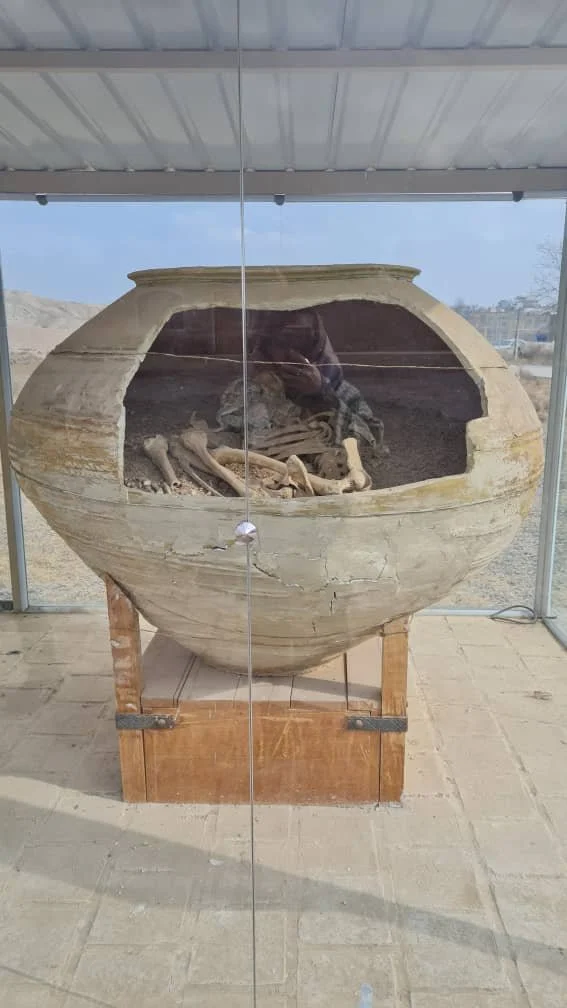
YB: The vessel holds a skeleton, creating what you described to me as a “body within a body.” You were also looking at ancient burial vessels you saw in your travels across Iran, in which bodies were placed in fetal positions, bringing burial and birth strangely close together. How did these vessels shape the way you began thinking about the relationship between death and rebirth?
DA: The ancient burial vessels I saw in museums made me think about the relationship between burial and birth. The fact that some of the bodies had been placed in fetal positions suggested to me that death might also be understood as a return to a state preceding life, or as a possibility of rebirth.
I was also interested in a theory about the origins of pottery, which suggests that women may have understood their bodies as containers—vessels capable of carrying children—and subsequently created ceramic vessels to carry other things. This made me think about the vessel as a metaphor for the body: a container, a carrier, and potentially a threshold into new life.
These ideas shaped my understanding of the vessel in my own work. It is not simply an object that contains a skeleton, but a body within a body, where death and the possibility of transformation coexist. The skeleton can then become part of another cycle of life, transforming into plants and flowers.
YB: You’ve spoken to me about returning to ancient artefacts and poetry as ways of thinking through resistance and renewal, while at the same time wanting to reject the rise of nationalism. What possibilities do you find in returning to culture and history?
DA: Culture and historical artefacts provide clues that we can investigate to uncover meanings and concepts capable of connecting us with people beyond our borders. They allow us to revisit the past not as a fixed source of national pride, but as a space for curiosity and reinterpretation. In this sense, returning to culture and history can help us recognise connections across different experiences and cultures, without fostering a sense of superiority over others or seeking to restore the glory of the past, as nationalist ideologies often encourage.
YB: In the sculpture, flowers seem to grow across and through the skeleton, making it sometimes difficult to separate the body from plants. What was important to you about giving an image of death such an abundance of life?
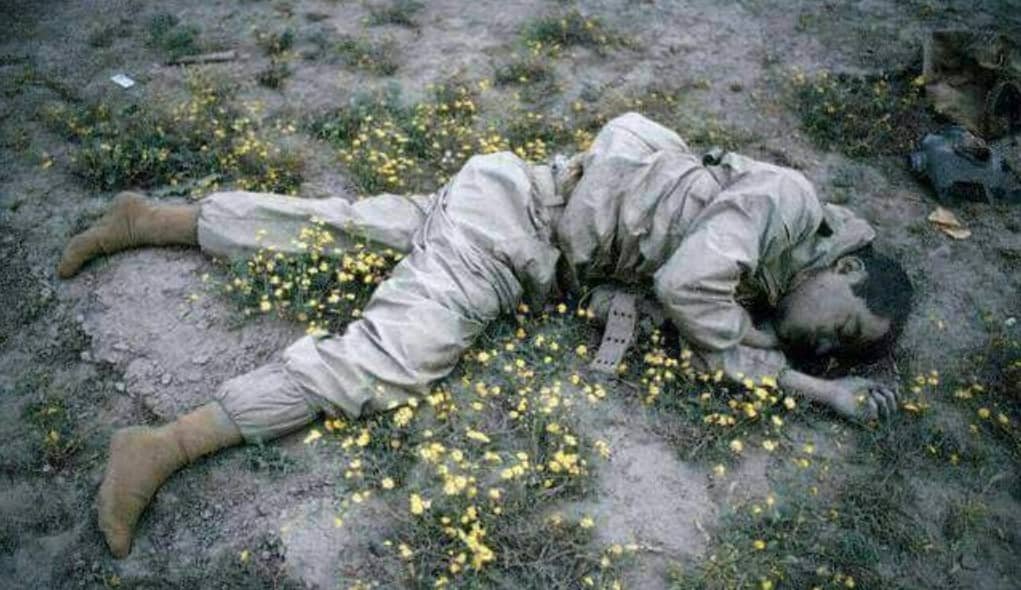
DA: There was a chain of images that inspired me to see death in this way: a famous photograph of a dead Iranian man during the eight-year war, taken in spring, with sprouting flowers surrounding his body; images of flowers growing from the graves of martyrs in Gaza; and, eventually, Khayyam’s depiction of the human body transforming into plants after death.
But there is a mythological layer to this idea as well. In order to become a new, more radiant self, the old self must die first.
YB: You portray life as a force that continues by changing form. What does this kind of continuity offer in the face of loss?
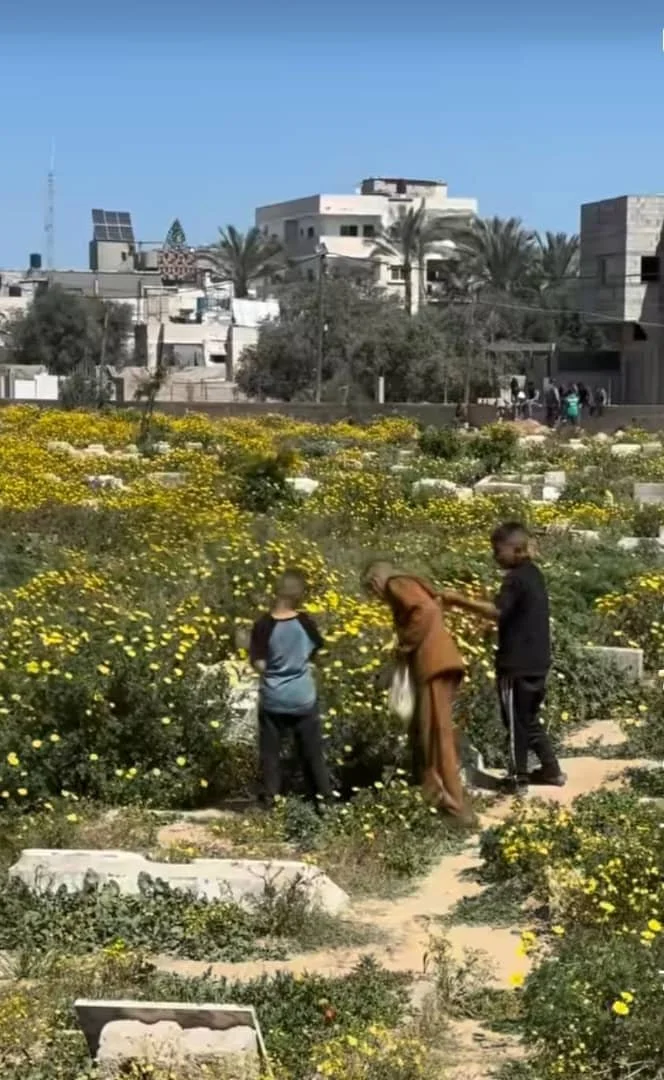
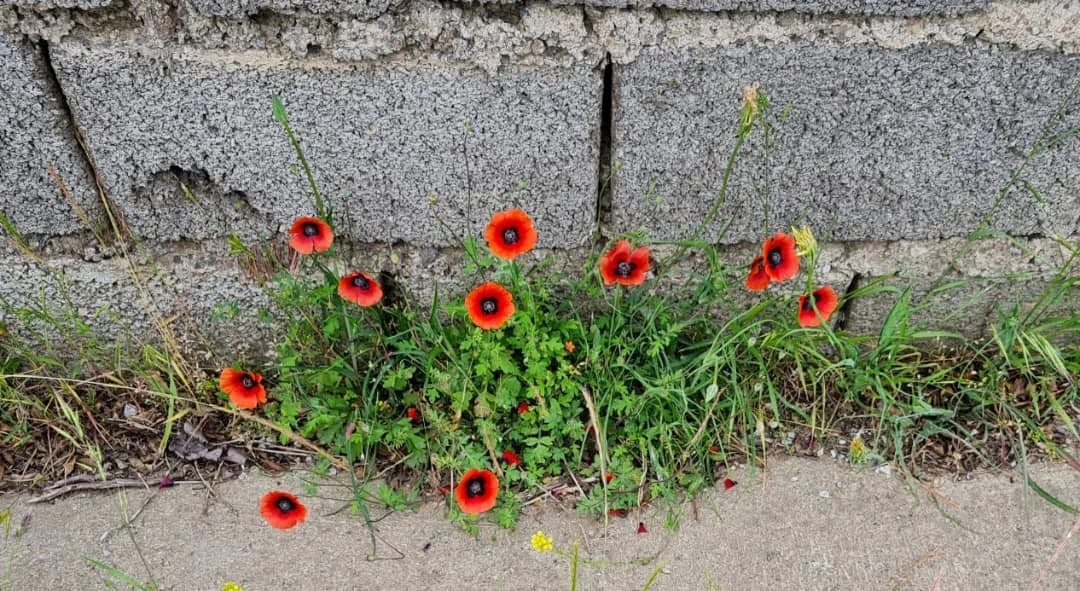
DA: If we consider each form of life as an act of resistance, or even a struggle for freedom, then life’s ability to change form in order to persist offers the possibility of renewal in the face of loss. It suggests that even after destruction, new generations or survivors can find new and creative ways to continue, transform, and resist.
YB: Vivid Vessels is a reminder that resistance, hope and rebirth may take different forms but will continue. You understand the struggle for freedom as intergenerational. What does it mean to hold onto hope for a freedom that we may not witness within our own lifetime?
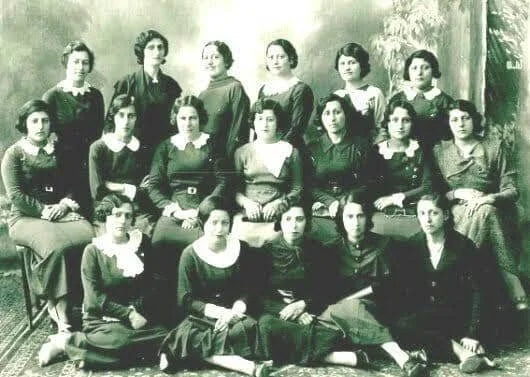
DA: Firstly, considering and celebrating every small change as progress helps me continue to look forward. Secondly, I find hope in seeing highly educated women in Iran who, despite all the hardships, are now choosing how they dress and living out a vision that women in Iran a century ago worked toward when they established the first schools for girls with their own funds. It reminds me that the struggles of one generation can become the lived reality of another, even if that transformation takes decades.
YB: You’ve also spoken about the idea that if humans are unable to achieve that freedom, nature will continue its work. I’m interested in the faith you place in nature. What can it carry forward when we cannot?
DA: I believe that nature always finds a way for life to continue, even within conditions of limitation. If we understand life as a force that is free and emancipatory, we can see how nature finds ways to sprout through rocks and stone, beginning life anew in places where it seems impossible. Even when war and destruction threaten human life, nature, through its own intelligence and capacity for transformation, continues to carry life forward. This is where I place my faith in nature: in its ability to persist, adapt, and create new forms of life, even when we cannot.
This conversation is part of عزیزم، دنیا گلستون میشه یک روز / ‘My dear, one day the world will bloom into a garden’, conceived by Yalda Bidshahri for the ROSVÂ Summer 2026 Guest Curator Residency