
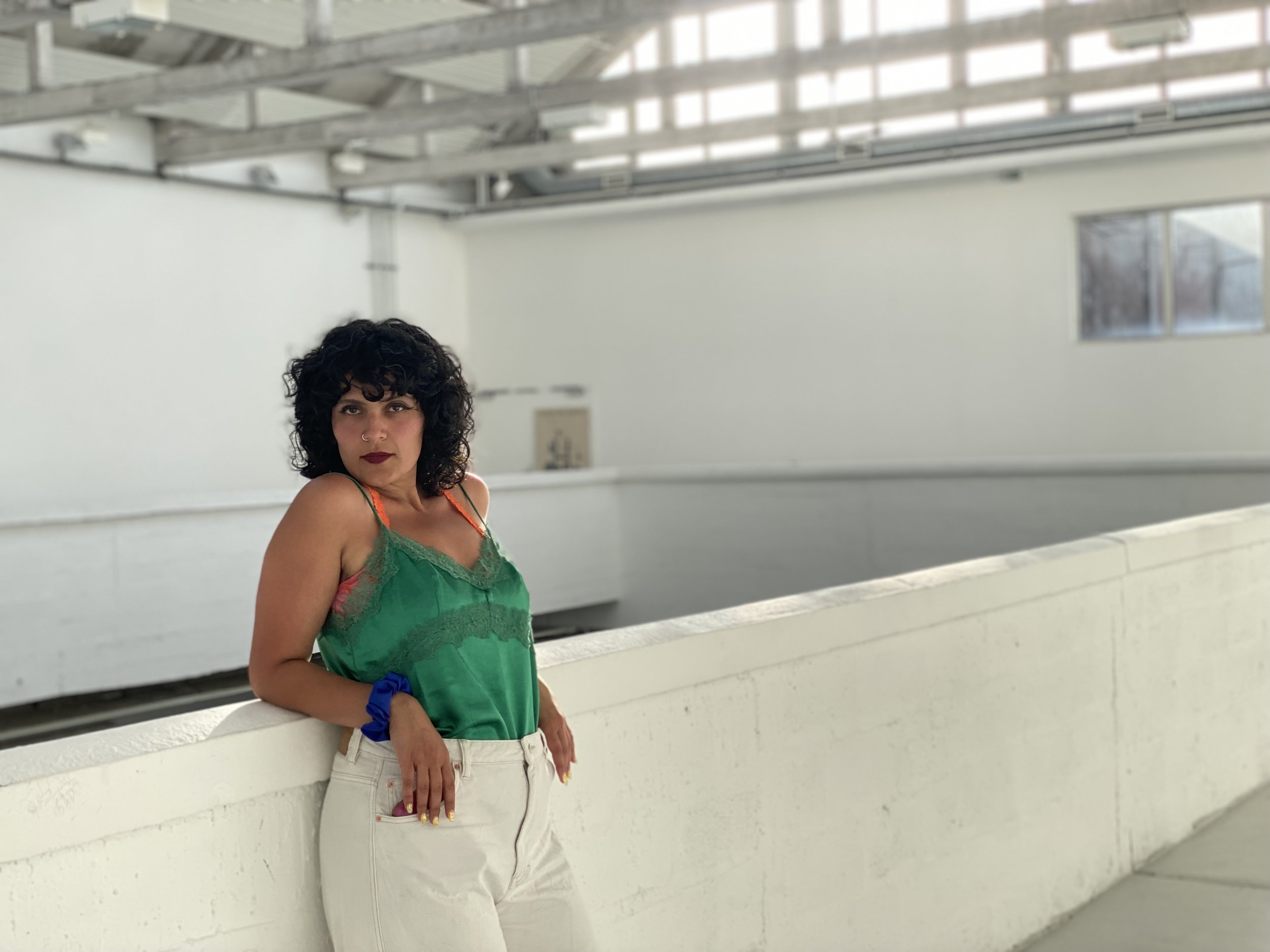
Soufia Erfanian
Working between Berlin and Paris, Soufia Erfanian's practice draws on autobiography to bring together fragments of the past that continue to shape the present. Her blue, theatrical, dreamlike, and at times grotesque paintings emerge from memory as acts of remembering, reclaiming, and coming to terms with inherited histories. Over time, the colour blue has become a visual language through which longing, loss, and emotional intensity unfold.
A recurring figure in Erfanian's work is the clown, an outsider who speaks truth through humour, resilience, and performance. Echoing both queer experience and migration, the clown becomes an alter ego through which concealment and revelation coexist, transforming vulnerability into a site of expression. These figures embody the duality of abandonment, the desire for care, and the fragile process of becoming oneself.
Through painting, Erfanian explores how performance can reveal truth, how memory can be tended, and how identity is continually negotiated between grief and tenderness. Her work has been exhibited internationally, including at the 17th Biennale de Lyon, KINDL – Centre for Contemporary Art in Berlin, and the Musée d'Art Moderne et Contemporain (MAMC+).
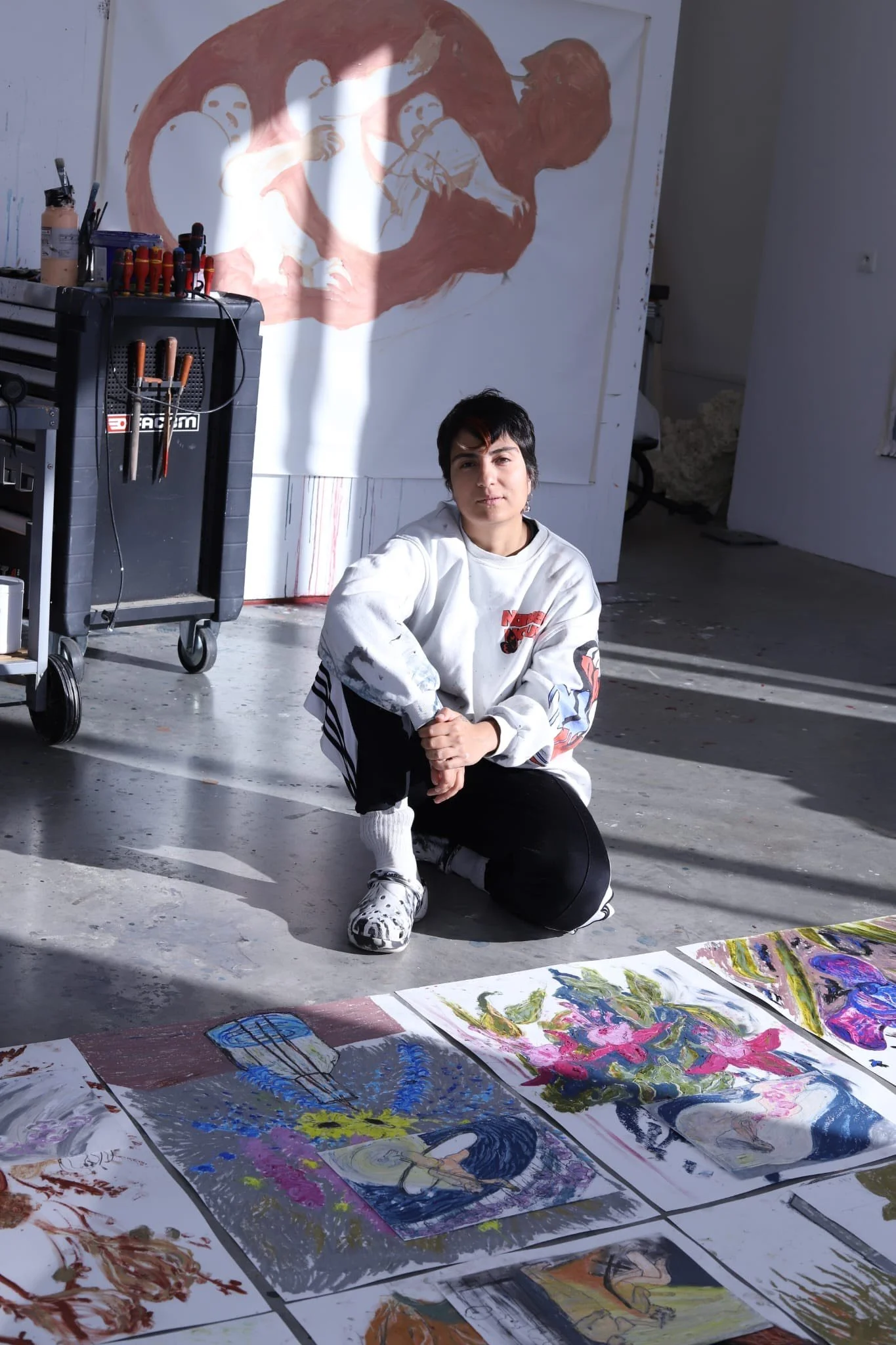
Tirdad Hashemi
Tirdad Hashemi's paintings inhabit intimate, unstable worlds where bodies gather, drift, and resist. Whether on paper or canvas, their figures move between desire and constraint, creating spaces in which tenderness, vulnerability, and defiance coexist. Bedrooms, streets, and imagined interiors become sites where private emotions and collective experience converge.
Drawing on life between Iran and France, Hashemi's work reflects on migration, queer identity, and the tensions of belonging across cultures. Their characters navigate imposed social, familial, and religious expectations while searching for forms of connection beyond fixed identities or borders. Through layered compositions and shifting perspectives, moments of anxiety, intimacy, and care unfold with equal intensity.
Describing themselves as "an activist with the lifestyle [they have] chosen," Hashemi approaches painting as both a political and deeply personal practice. Art becomes a space where experiences of exile, displacement, and becoming can be held together, offering a place in which multiple selves, histories, and futures remain possible.
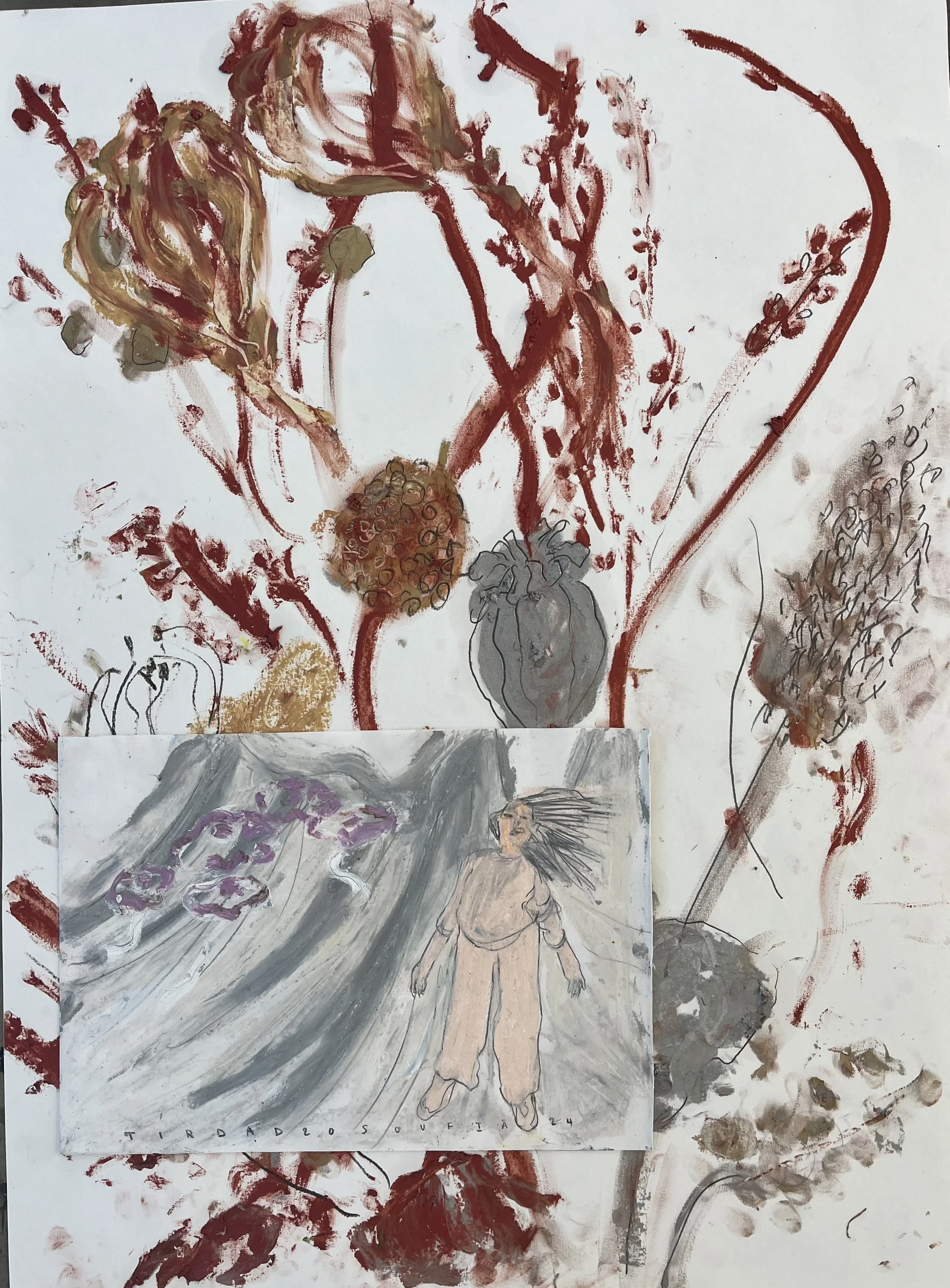
Flower (2022–ongoing)
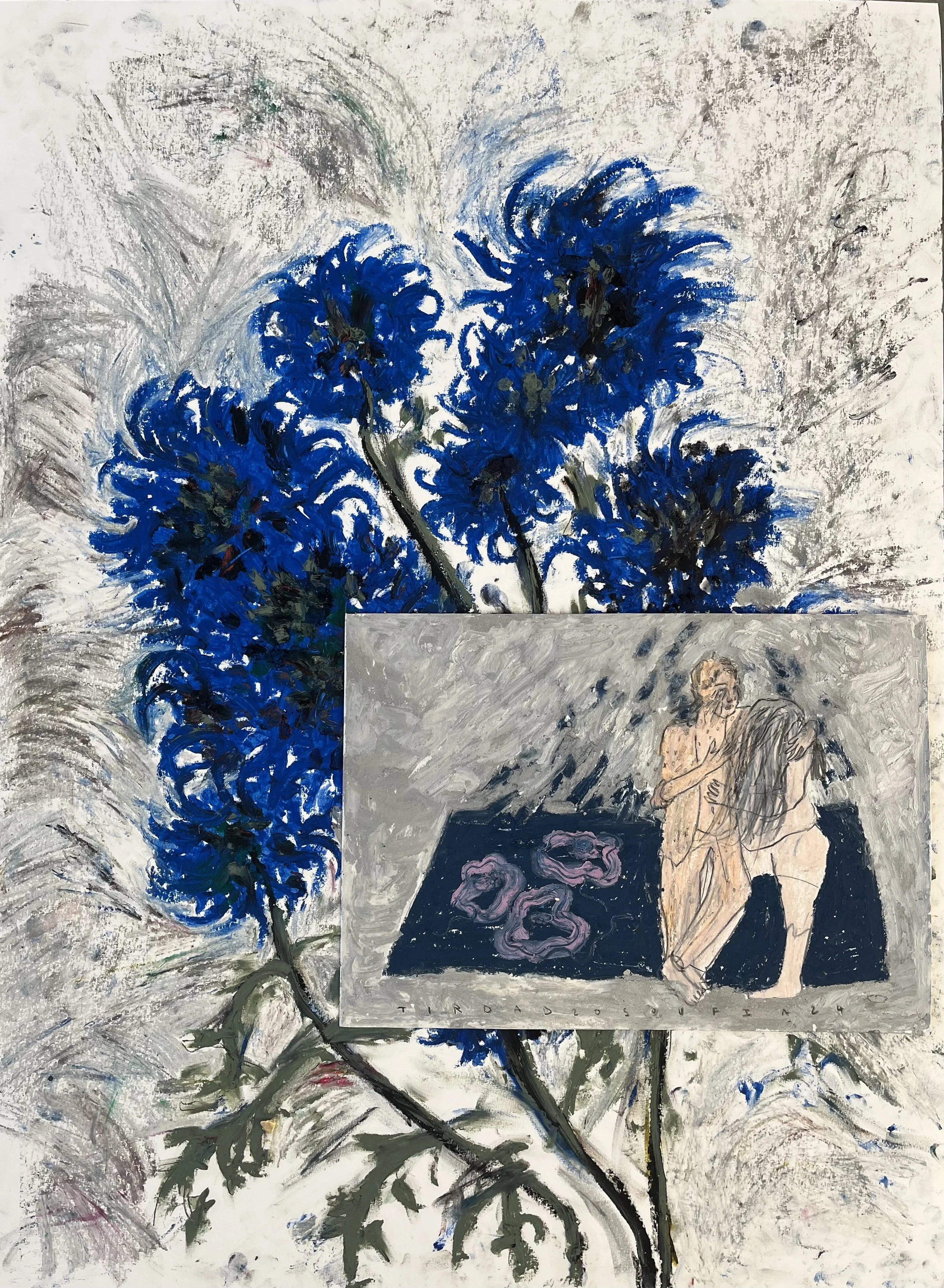
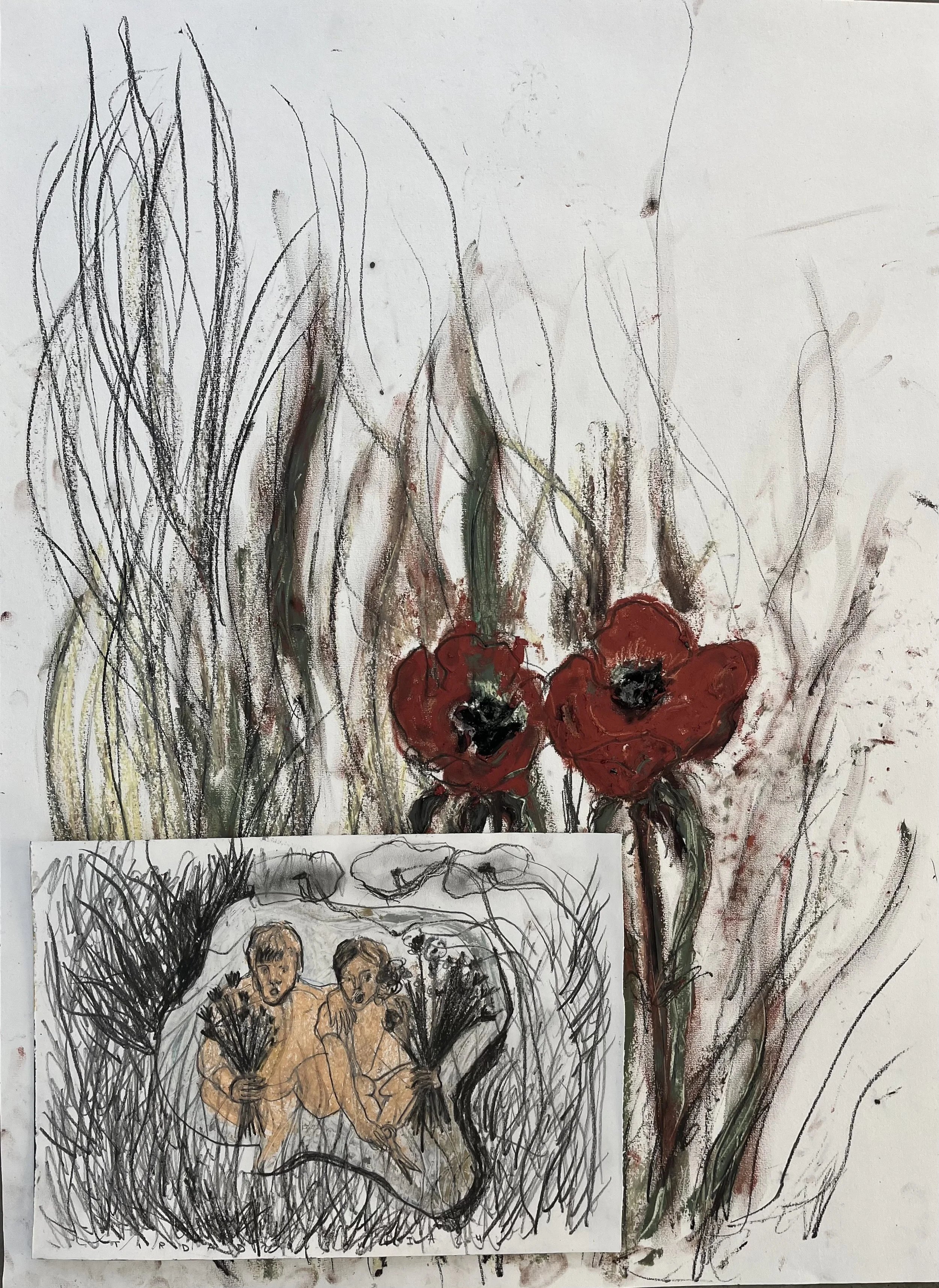
In the collaborative series, ‘Flower’ (2022–ongoing), Tirdad Hashemi and Soufia Erfanian find in flowers not simply symbols of beauty, but reminders that life continues to emerge through care, connection, and persistence. Conceived alongside a daily practice of tending to plants and shaped through the artists’ own relationship, the works transform memories of friendship, chosen family, and shared intimacy into delicate compositions where bodies bloom among flowers. For Hashemi and Erfanian, tending to plants, relationships, and artistic practice begins with the same act of faith: believing in growth despite uncertainty. Like a garden, these works remind us that care is not incidental but essential. Without it, both plants and relationships wither. Even in difficult times, the possibility of renewal remains, like flowers blooming after winter.
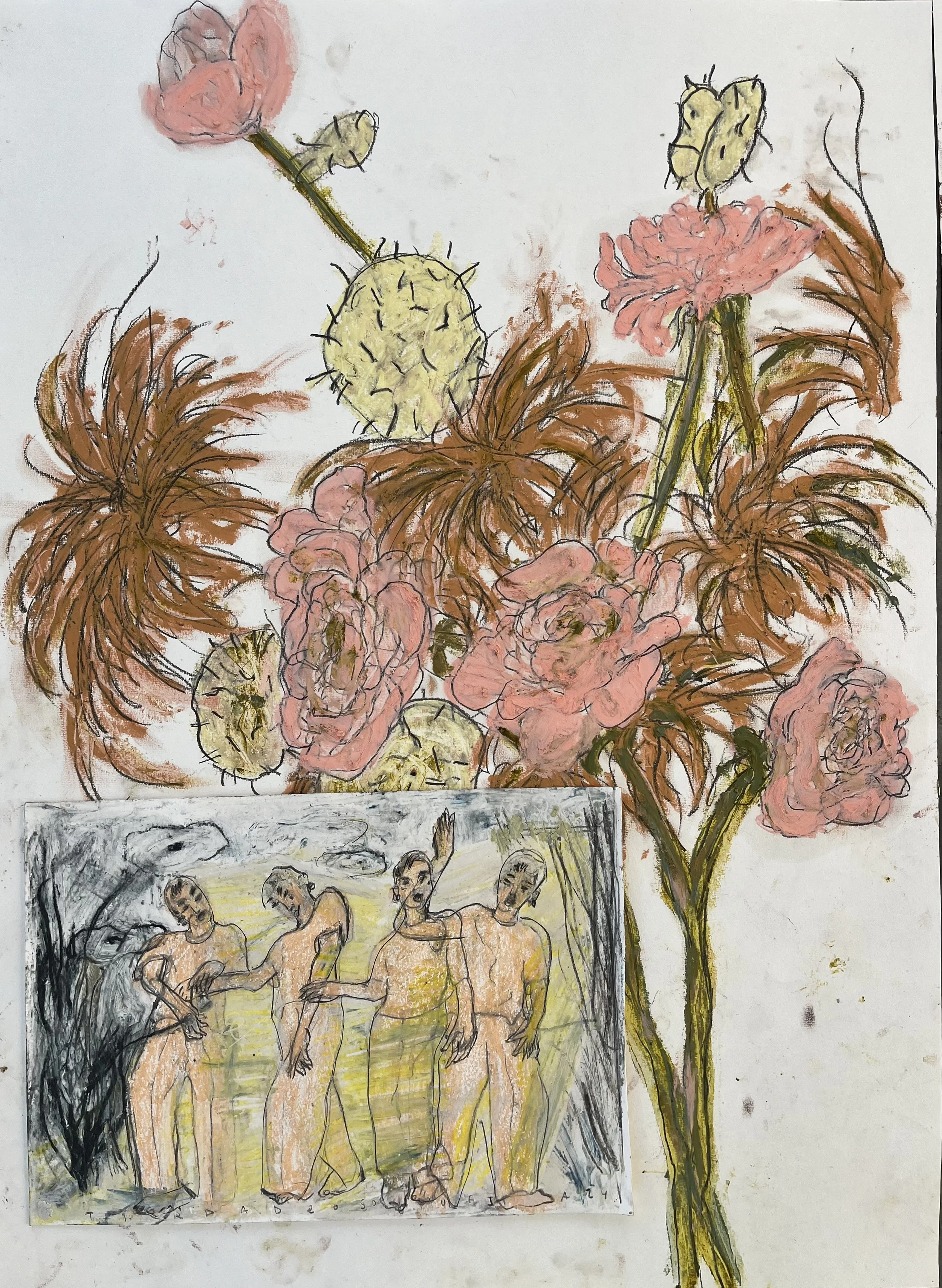
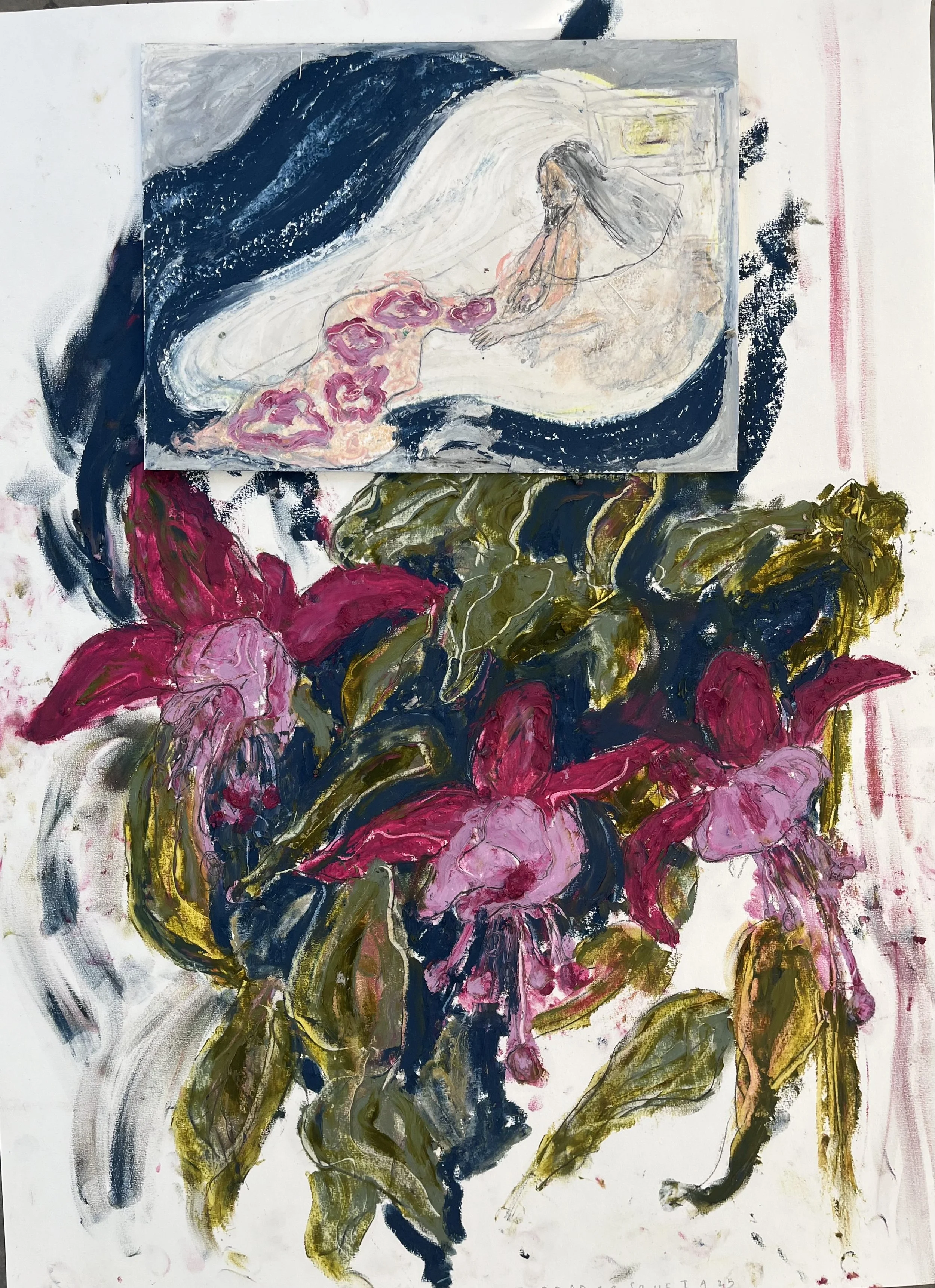
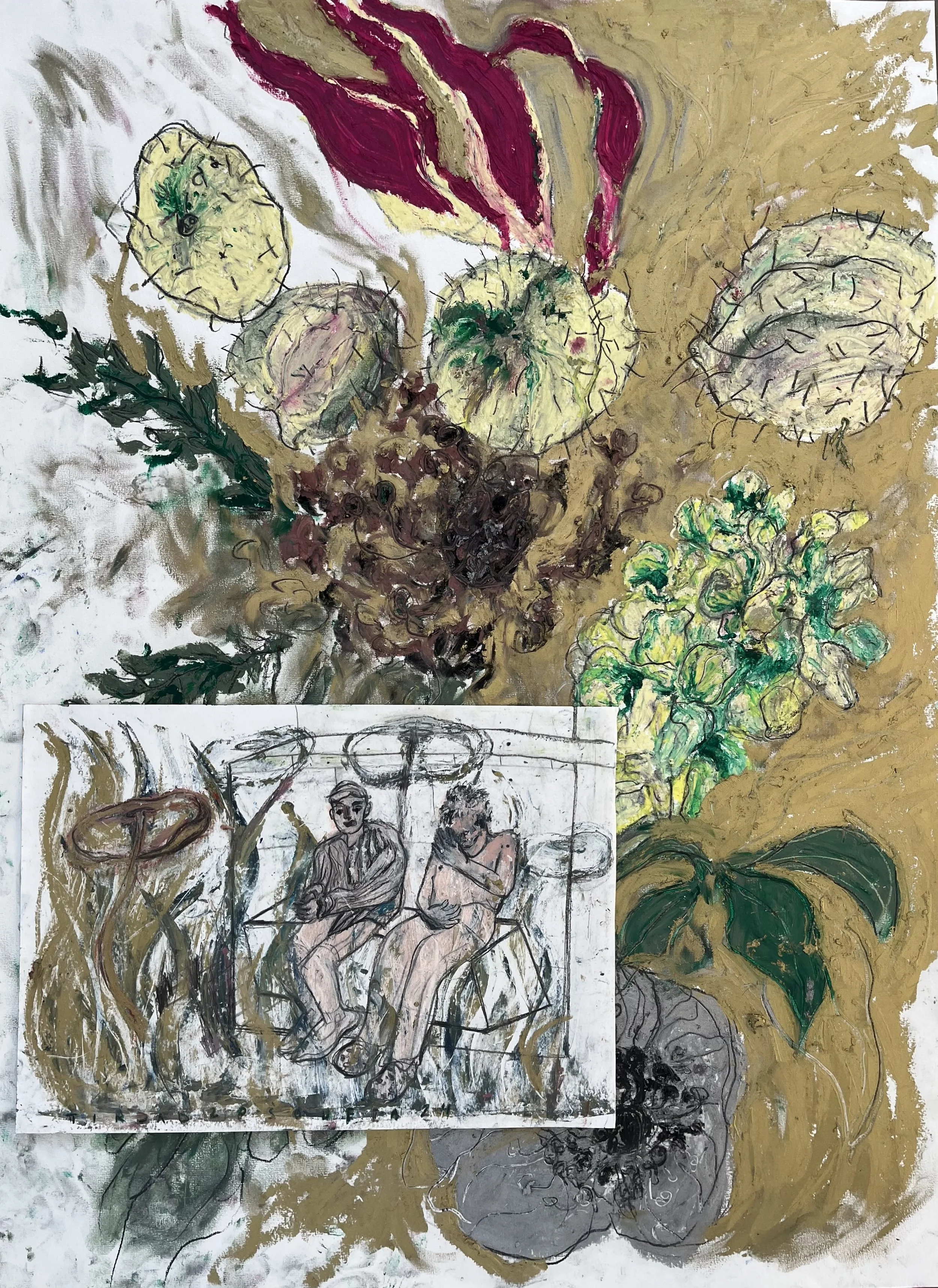
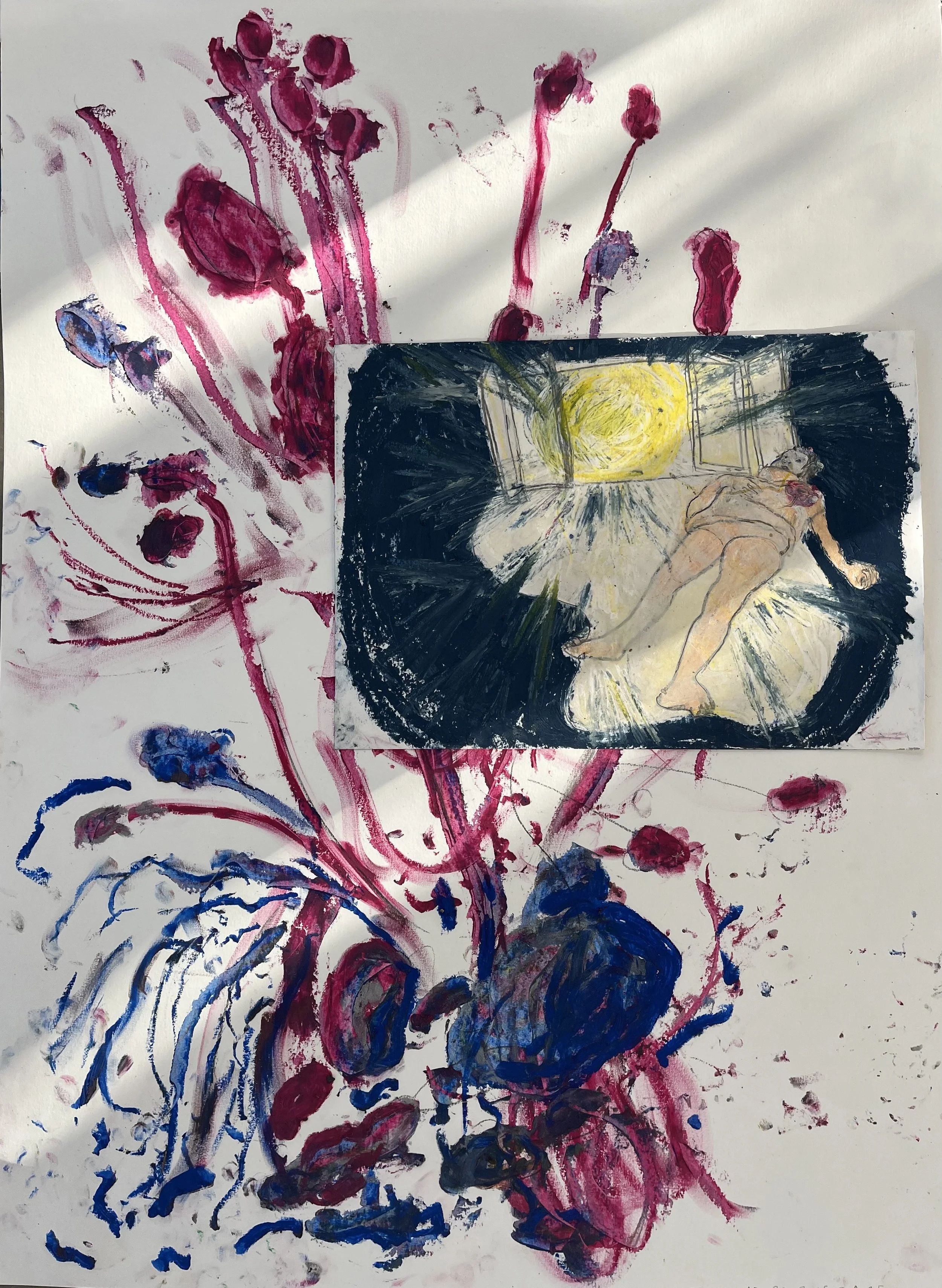
This artwork spotlight is part of عزیزم، دنیا گلستون میشه یک روز / ‘My dear, one day the world will bloom into a garden’, conceived by Yalda Bidshahri for the ROSVÂ Summer 2026 Guest Curator Residency.