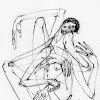
A correspondence between Yasmina and her mom, Bahareh.
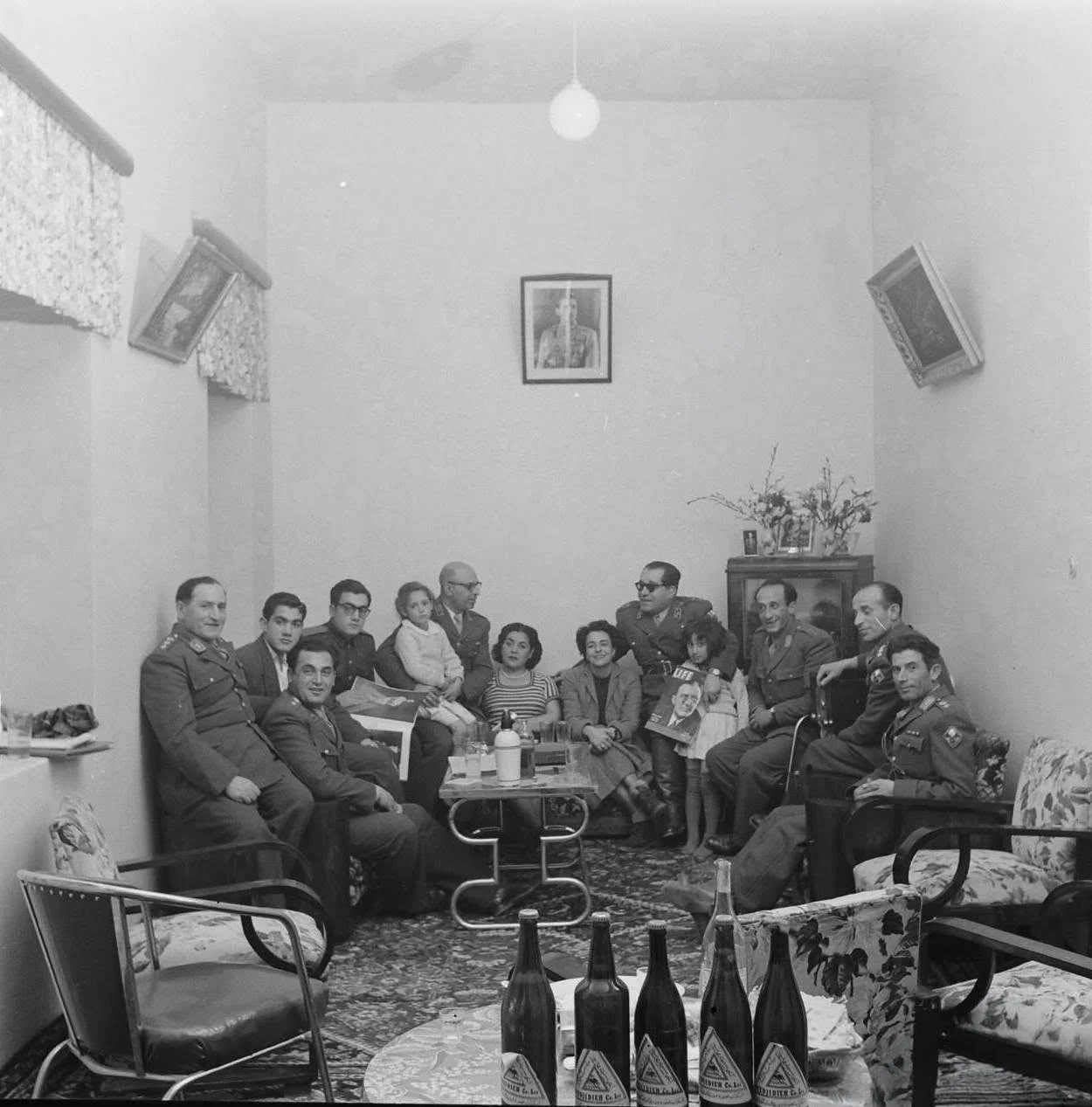
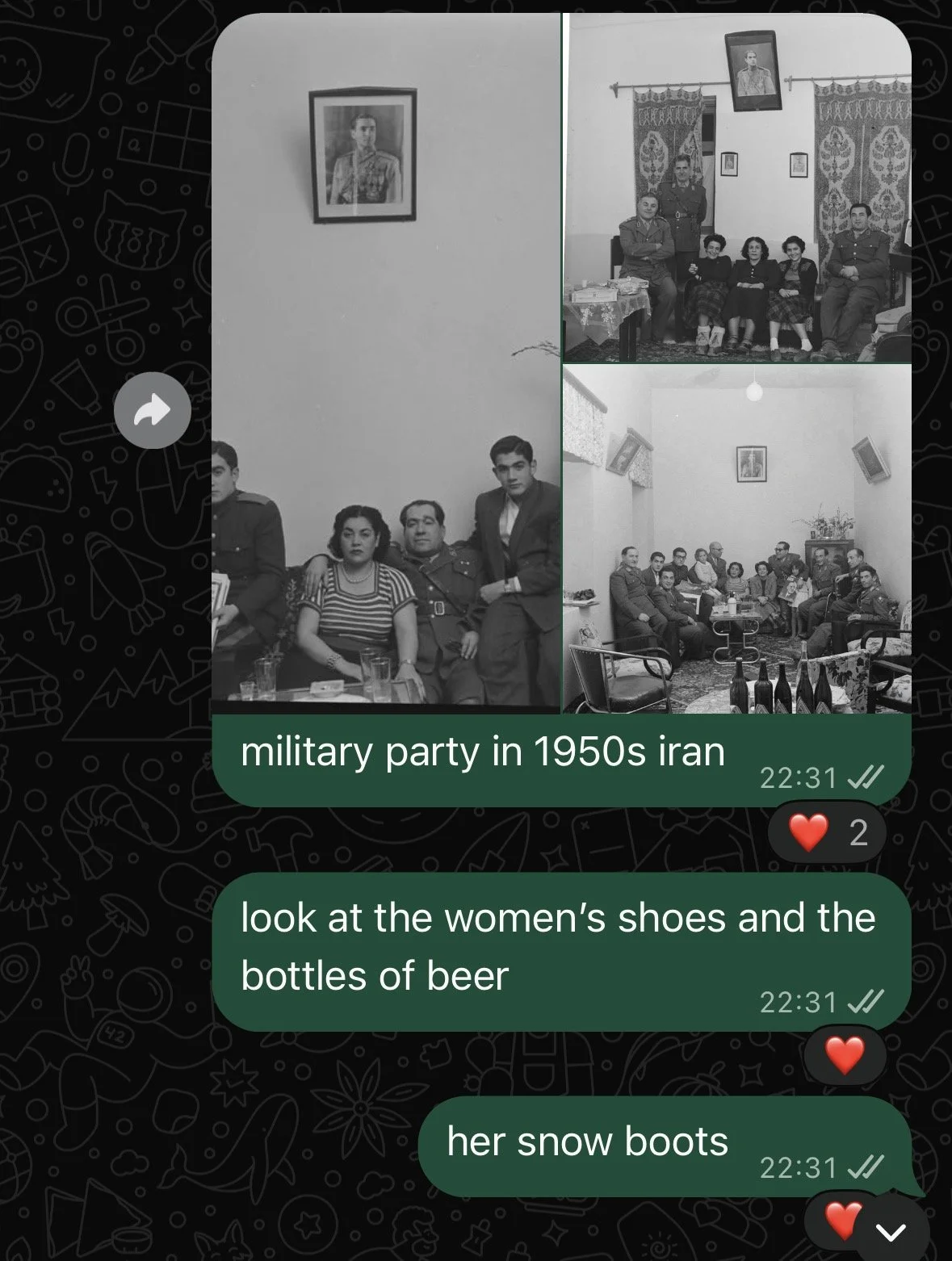
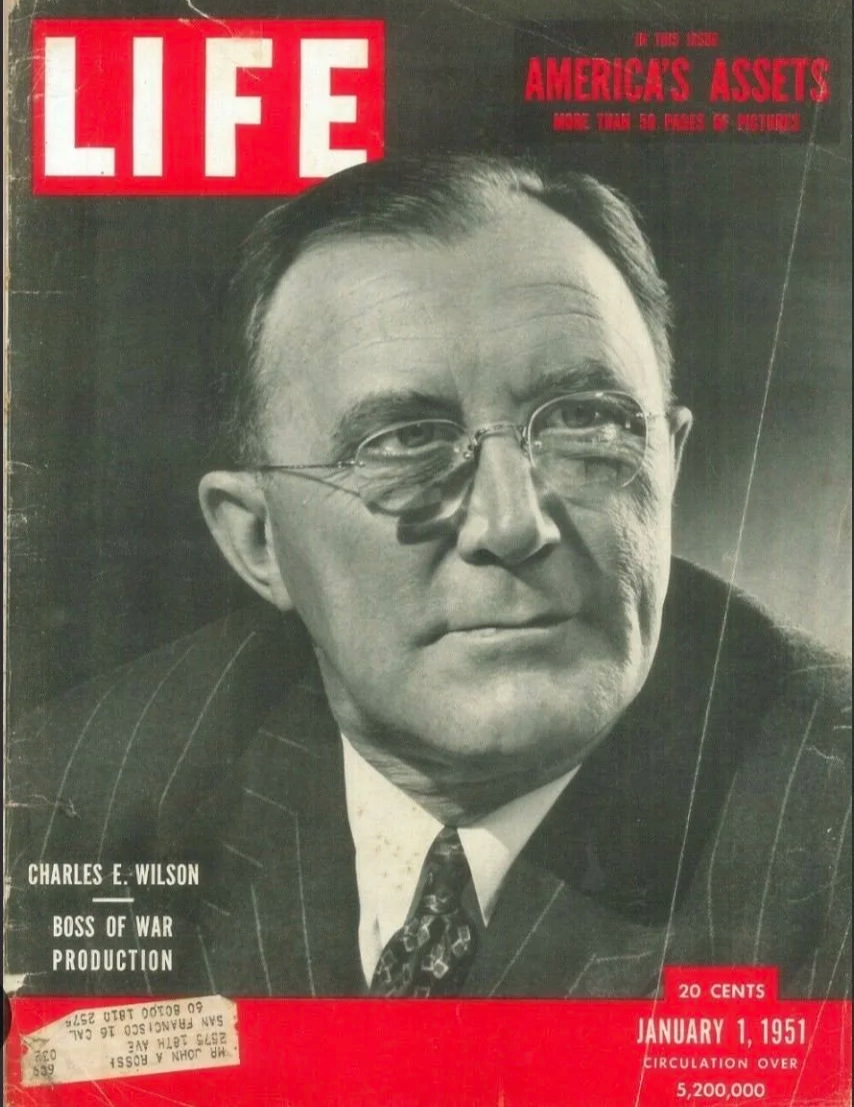
I sent my mom a series of photographs from pre-revolutionary Iran that I found in the internet archives. What followed was an unsolicited history lesson delivered over WhatsApp, between 22:31 and 23:40.
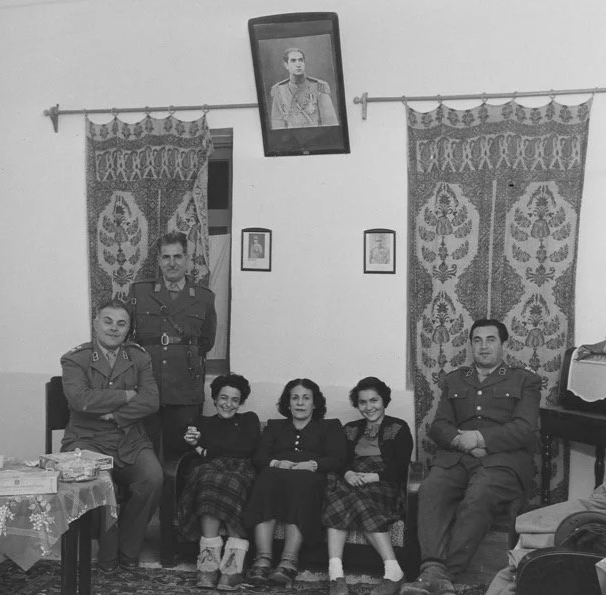
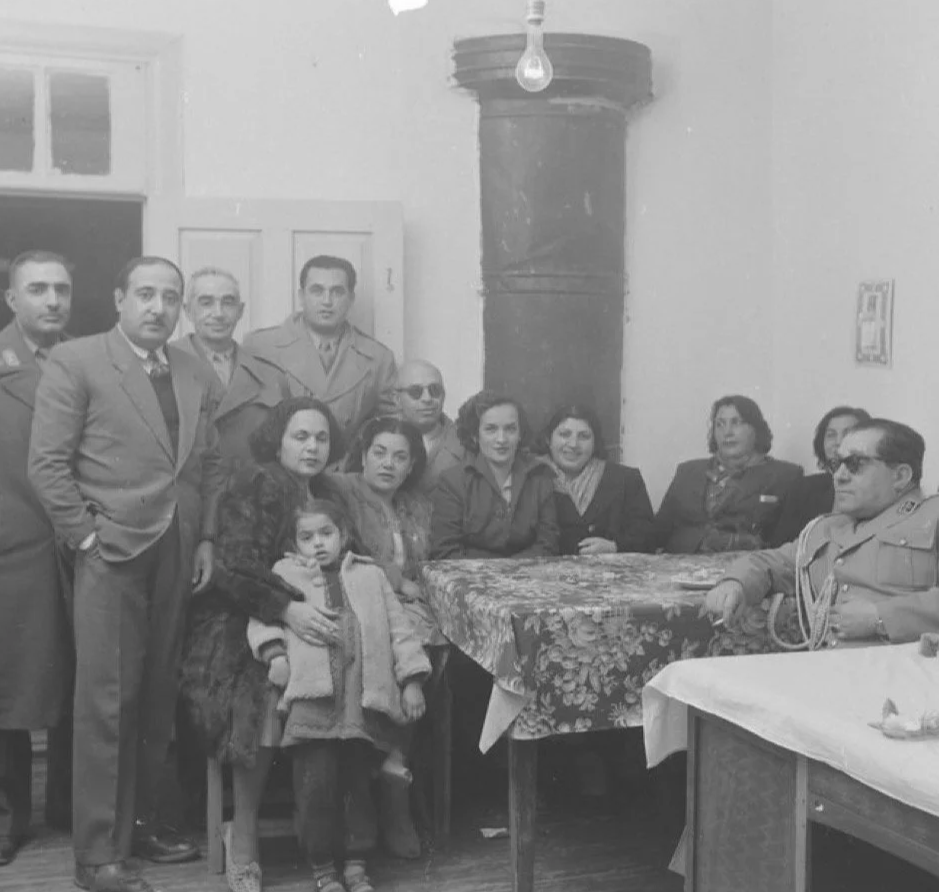
There is a particular way in which we have become accustomed to looking at photographs of Iran before the revolution. We look at the women, their hair, their clothes, the interiors of their homes. We look for signs of a life we might have lived. We enlarge the details, looking for evidence of something that was taken from us.
My mom was looking at something else entirely.
In the photographs, she saw a social class. Behind the photographed subjects, she imagined those who remained outside the frame: the women who worked in their homes, the servants who resented them, the people whose labour made such a life possible.
Her reading of these images gradually gave way to a larger indictment of our relationship with our own history, our appetite for nostalgia and our peculiar tendency to locate national pride somewhere in the distant past.
What follows is our correspondence, reproduced in Farsi alongside its English translation. An exercise in looking at the same photographs differently.
23:05
طبقهای کونگشاد، مریض، خودبزرگبین و از دماغ فیل افتاده...
زنهایی که ماتیک دوست داشتن، فر مو با بیگودیهای داغ فلزی... کونهای گنده داشتن و از زاییدن نمیترسیدن...
بچههای چموش دروغگو و در عین حال توسریخور...
کلفت نوکرهای بیچارهای داشتن که هم مجبور بودن تو اون خونهها کار کنن و هم کینه عجیبی به آقا و خانم خونه داشتن...
مردهایی هم به غایت هیز که گربه محل هم از دستشون در امان نبود و عاشق عرقخوری بودن و گرفتن رشوه...
که اگه این نبود، این نبودیم...
A lazy-assed class of perverts, full of themselves, thinking they were god's gift to the world…
Women who loved lipstick, curling their hair with hot metal rollers… They had big asses and weren't afraid of giving birth…
Unruly, lying children who nevertheless got slapped around…
Poor maids and servants who were obliged to work in those houses while harbouring an extraordinary resentment towards the master and mistress of the house…
Men so lecherous that not even the neighbourhood cat was safe from them, who loved drinking aragh and taking bribes…
Had it not been for this, we would not be what we are today…
23:08
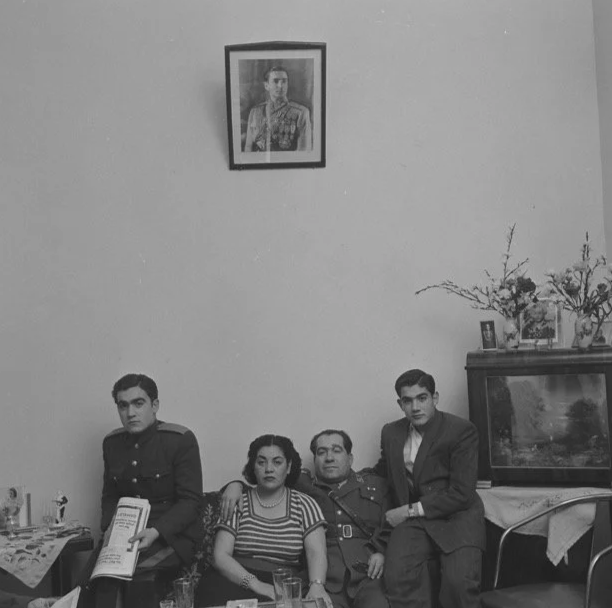
این تیپهای شخصیت که گفتم رو کاملا تو این عکسا بخصوص عکس آخر میبینی...
فقط این عکسها نیست...
تو اکثر عکسای اون دوران همینه
You can see exactly these character types I've described in these photographs, particularly the last one…
And it's not just these photographs…
It's the same in most photographs from that period.
23:09
پول نفت رو شاه جوان میریخت تو حلقومشون و اینام خیال برشون داشته بود که پخی هستن...
The young Shah was pouring oil money down their throats, and they'd gotten it into their heads that they were somebody…
23:36 · Edited
اون زمانیکه این جماعت بر لب جوی مینشستن و کباب میخوردن و گرامافون صدای قمر پخش میکرد و پشت درختای باغ مرداشون خودشونو به کلفتهای بیچاره بیپناه دهاتیشون میمالیدن و نوکرهاشونو پسگردنی میزدن و ذوق میکردن که ماشین خریدن و شوفر دارن، دنیا داشت سه نعل به سمت پیشرفت میرفت... بعد از جنگ دوم بود و زمان سازندگی... آلمان، ژاپن و...و...و...
انگلیسها داشتن با تأسیس شرکت نفت انگلیسا و غارت منابع ایران تا دسته میکردن تو ماتحتشون، اینا ذوق فرنگ رفتن داشتن و درشکه سواری تو باغ شاه...
هر چند وقت هم سر این مردم رو با یه چیزی گرم میکردن...
یه بار مصدق بازی، یه بار حزب توده بازی، یه بار حزب رستاخیز بازی، یه بار انقلاب خمینی بازی... و...و...و...
مردم ما هیچ سهمی از تمدن و پیشرفت امروزی دنیای مدرن نداشتن و ندارن جز صادرات نوابغ و نخبههاشون... البته اگه اون نخبهها و نوابغشون تو زندانها و جادهها و جنگ و موشک زدن به هواپیماهای مسافربری پرپر نشده باشن...
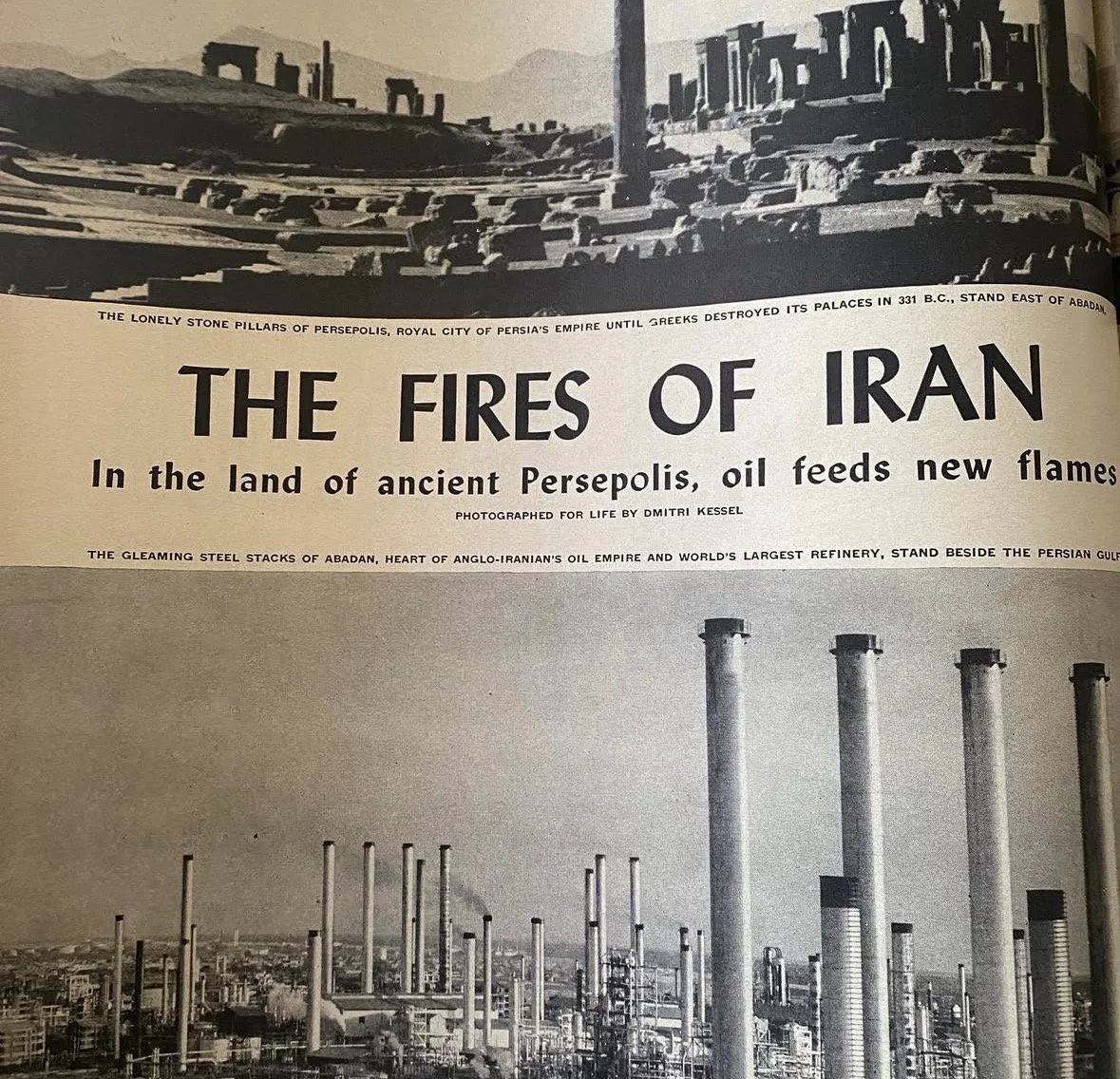
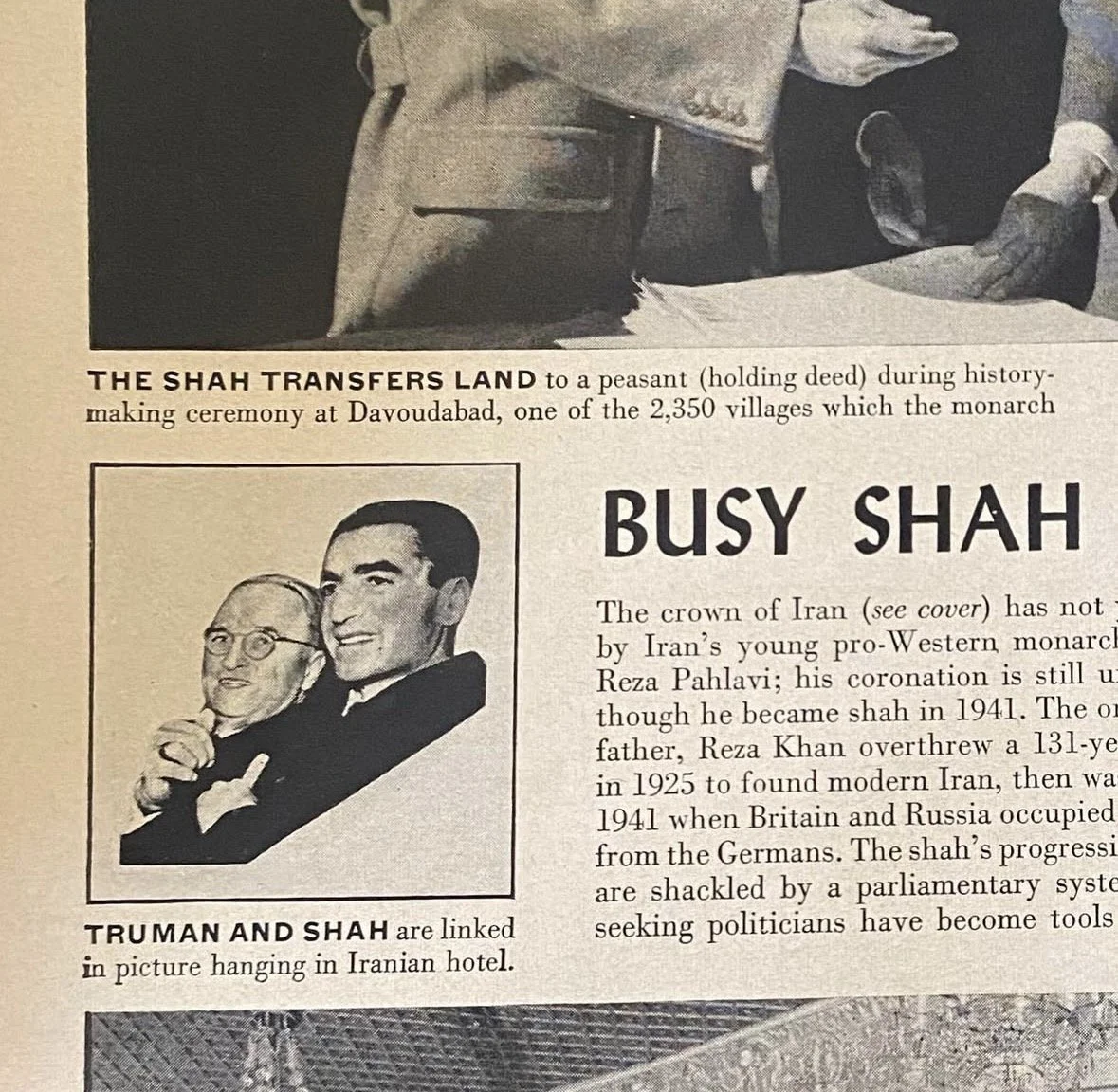
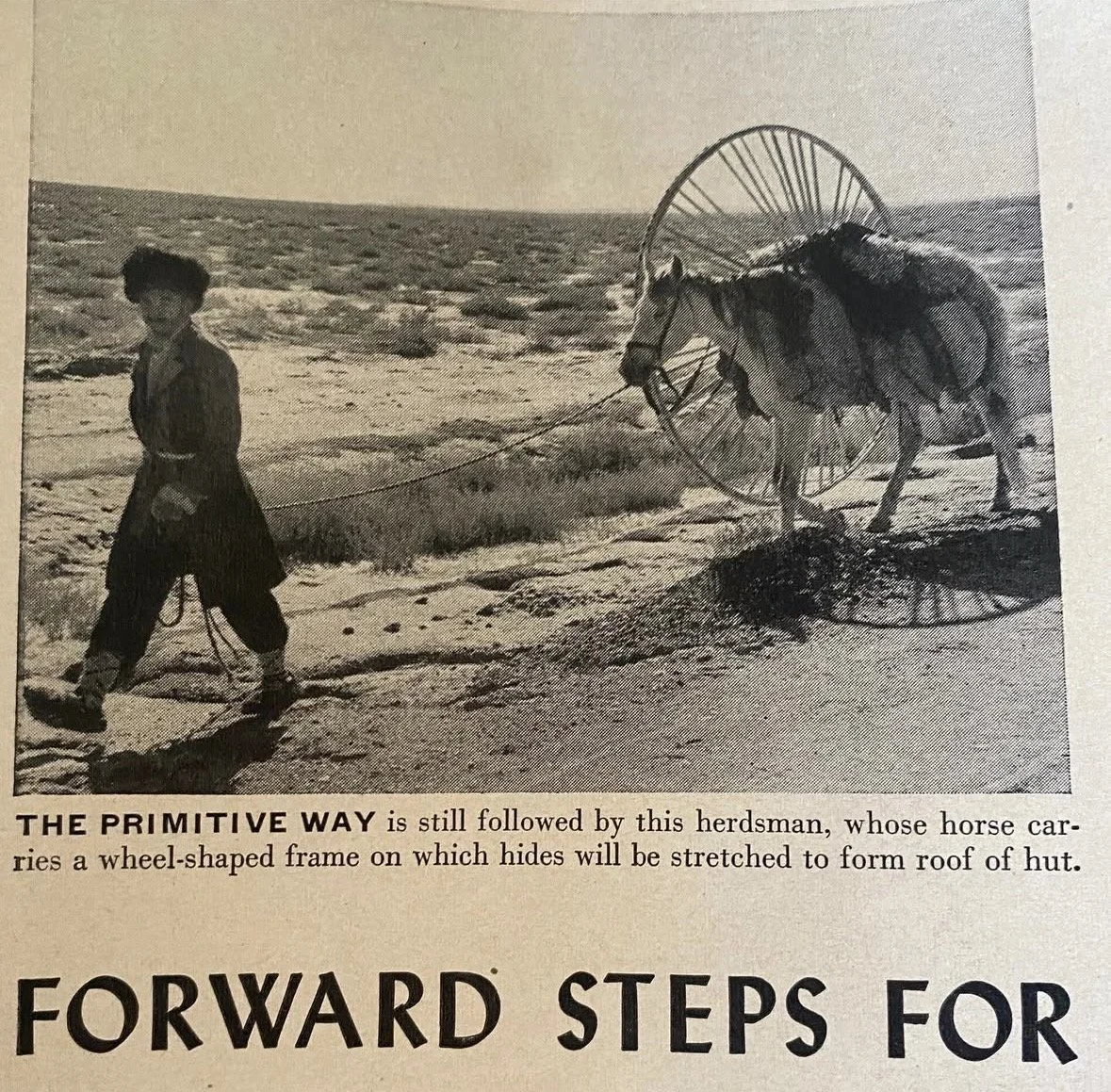
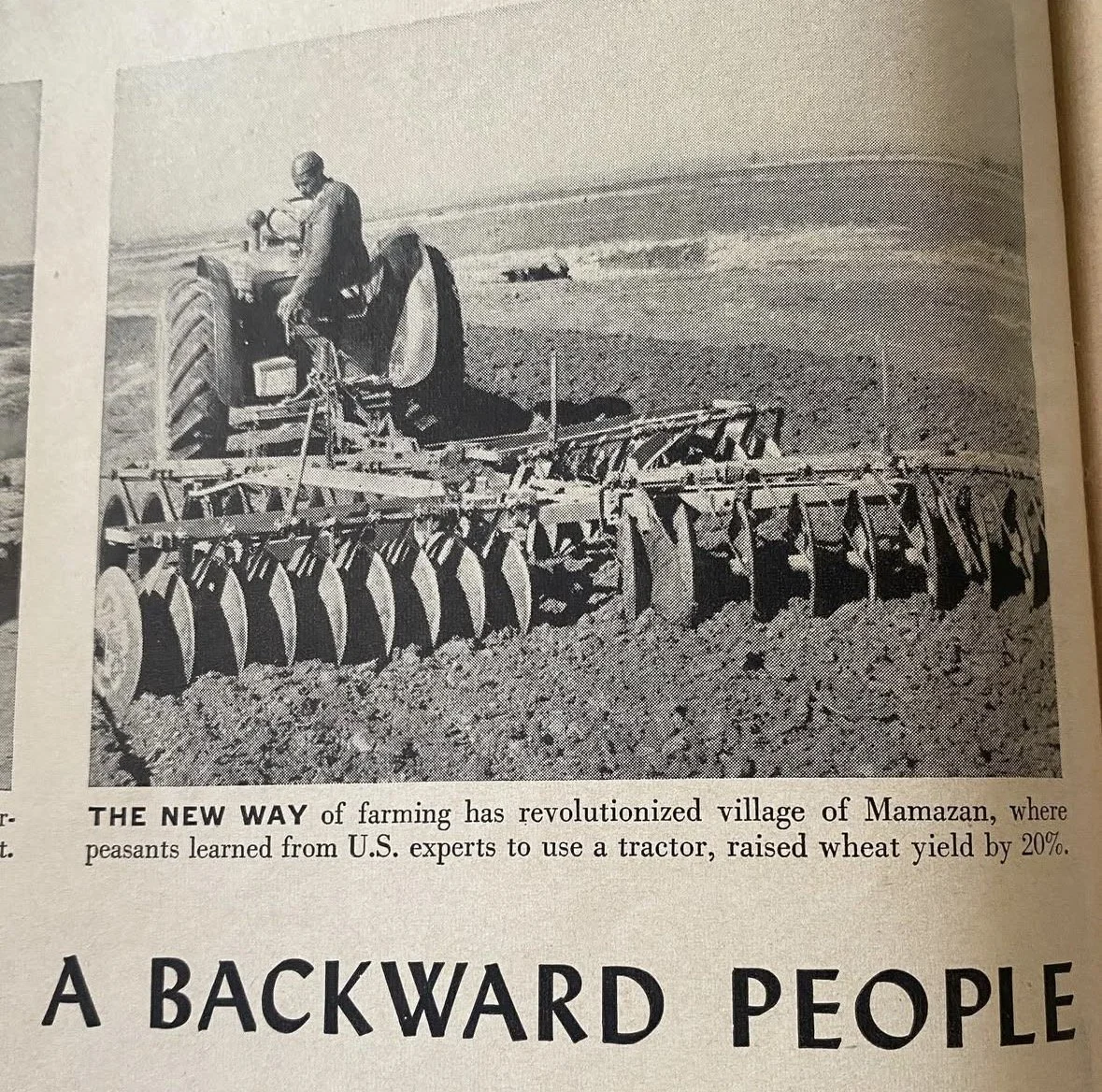
While these people sat beside streams eating kebab, with Qamar's voice playing on the gramophone, while their men rubbed themselves against their poor, defenseless village maids behind the trees in the garden, slapped their servants on the back of the head and delighted in having bought a car and acquired a chauffeur, the world was galloping towards progress…
It was after the Second World War, a time of reconstruction… Germany, Japan, and so on, and so on…
The British, with their oil company and the plundering of Iran's resources, were fucking them up the ass, while they were excited about going to Europe and riding carriages in Bagh-e Shah…
Every so often, they'd keep the people occupied with something else…
One time playing Mossadegh, another playing the Tudeh Party, another playing the Rastakhiz Party, another playing Khomeini's revolution… and on and on…
Our people have had, and continue to have, no share in the civilization and progress of the so called modern world other than the export of their geniuses and brightest minds…
That is, provided those brilliant minds haven't already perished in prisons, on the roads, in wars, or in passenger planes struck by missiles…
23:38 · Edited
از بس هیچی نیستیم و دستمون از افتخار خالیه، از بیچارگی و بیآبرویی شروع میکنیم به اینکه پز کوروش کبیر و هخامنشیان رو بدیم...
Because we are nothing, because we have nothing to be proud of, out of desperation and disgrace, we resort to boasting about Cyrus the Great and the Achaemenids…
23:40 · Edited
اگه اونها هم الان بودن، خودمون میرفت پاسارگاد رو آتیش میزدیم که جاش برج بسازیم... و همه چیز و همه کس رو میسوزوندیم، چنان که الان داریم با ایران میکنیم
If they were still around today, we ourselves would burn Pasargadae to the ground to build a high-rise in its place… We would burn everything and everyone, just as we are doing to Iran now.
Editor's note: This correspondence offers a subjective reading of archival imagery rather than a factual account of the individuals depicted. It is published as an exploration of the ways personal memory, generational perspectives and collective histories inform our reading of the past. Just as nostalgia shapes what we see in an archive, so too do disillusionment, resentment and lived experience.